
MENU

Protein & Muscle Building Supplements Price in Bangladesh
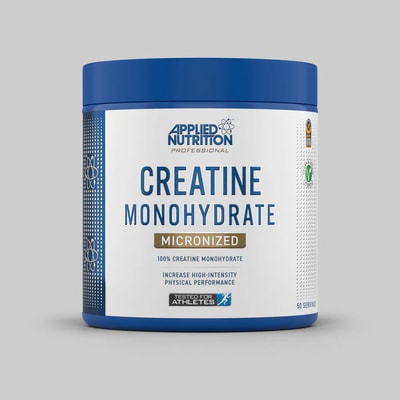
Applied Nutrition Creatine Monohydrate 250g - Pure Micronised Formula for Strength & Performance
From: ৳2530
In Stock
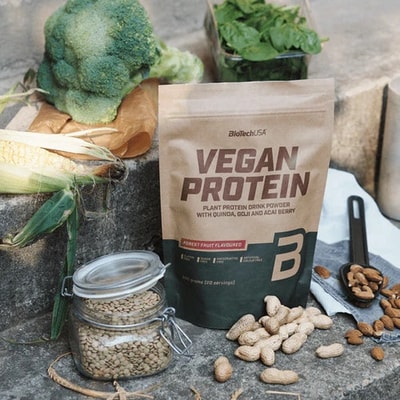
BioTechUSA Vegan Protein 500g - Plant-Based Protein Complex with Superfoods for Muscle Support
From: ৳3490
In Stock
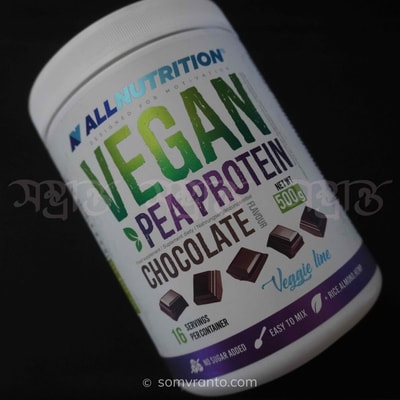
AllNutrition Vegan Pea Protein 500g - Complete Plant-Based Protein for Muscle & Bone Health
From: ৳2880
Sold Out
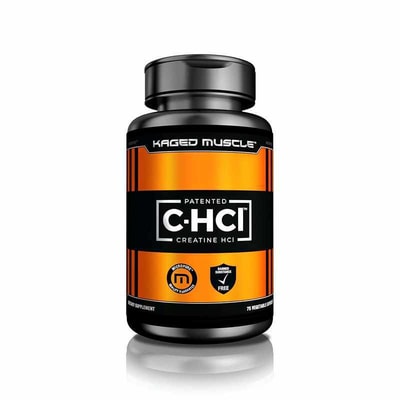
Kaged Muscle C-HCl, Patented Creatine HCL Vegetarian Capsules
From: ৳3900
Sold Out
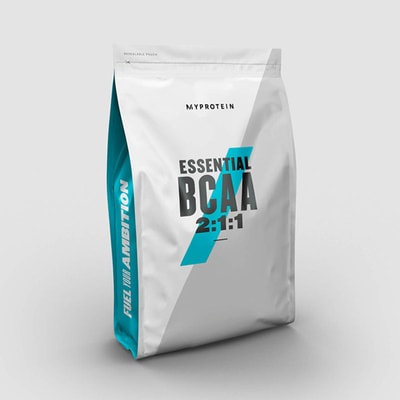
Myprotein BCAA 2:1:1
From: ৳0
Sold Out
EFX Sports Kre Alkalyn
From: ৳2350
Sold Out
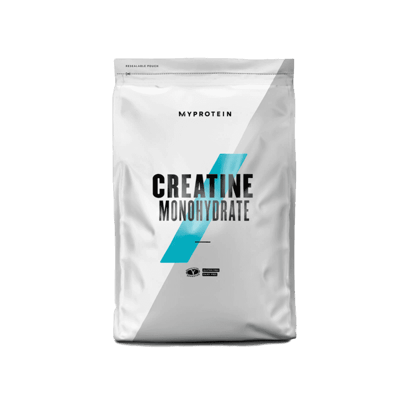
Myprotein Creatine Monohydrate
From: ৳0
Sold Out
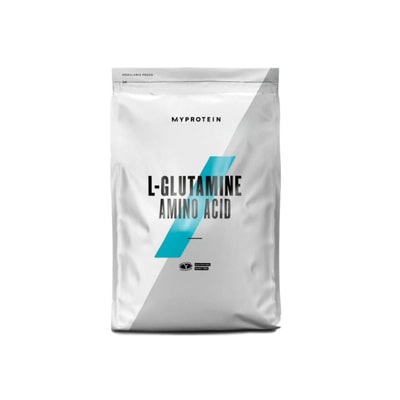
Myprotein L Glutamine
From: ৳0
Sold Out
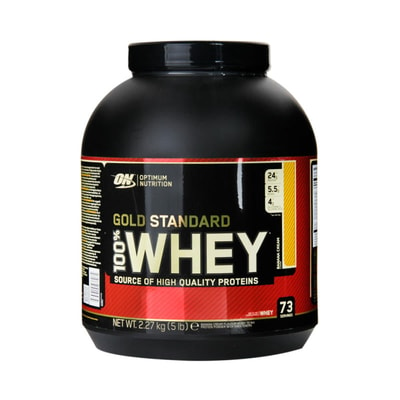
Optimum Nutrition (ON) 100% Gold Standard Whey Protein
From: ৳0
Sold Out
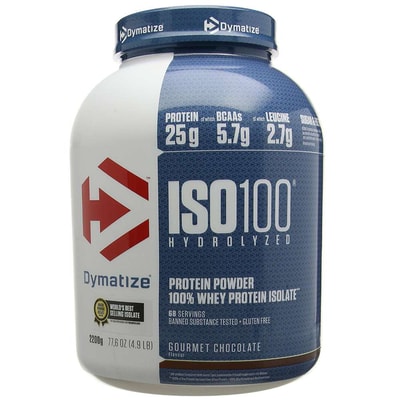
Dymatize ISO100 Whey Protein Hydrolyzed Isolate
From: ৳14300
Sold Out
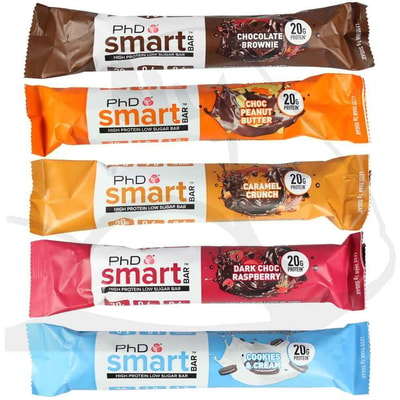
PhD Smart Bar
From: ৳0
Sold Out
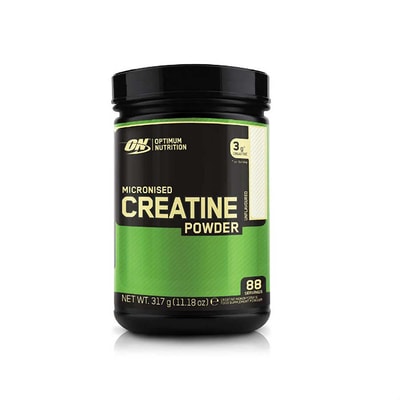
Optimum Nutrition (ON) Micronised Creatine Powder
From: ৳1
Sold Out
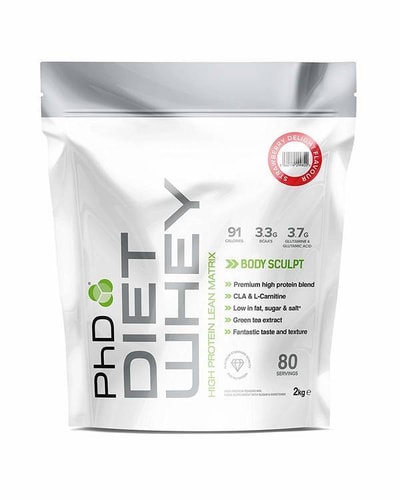
PhD Nutrition Diet Whey Protein
From: ৳0
Sold Out
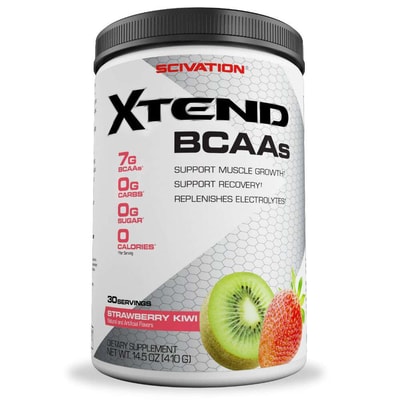
Scivation Xtend BCAA
From: ৳0
Sold Out
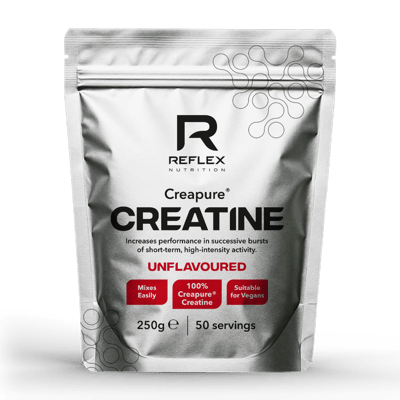
Reflex Nutrition Creapure Creatine Monohydrate
From: ৳3170
Sold Out
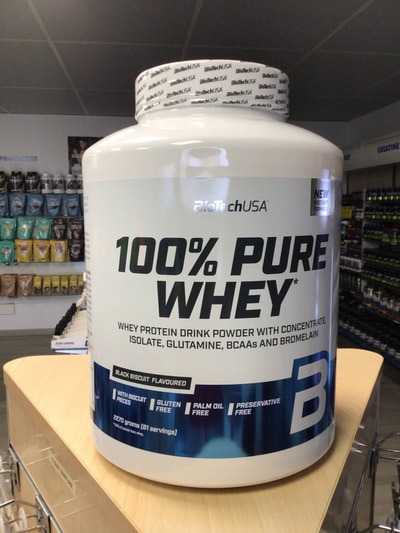
BioTech USA 100% Pure Whey - 78% Protein Isolate & Concentrate for Muscle Growth
From: ৳0
Sold Out
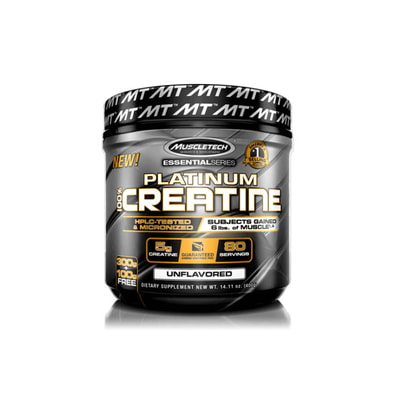
Muscletech Platinum Creatine
From: ৳1
Sold Out
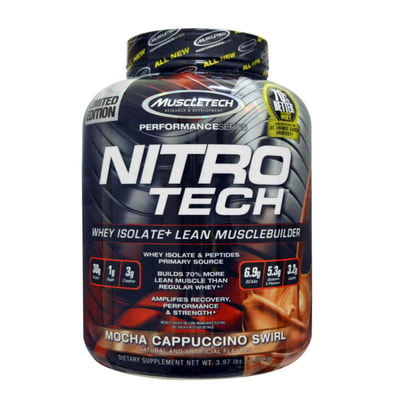
MuscleTech Nitrotech
From: ৳0
Sold Out
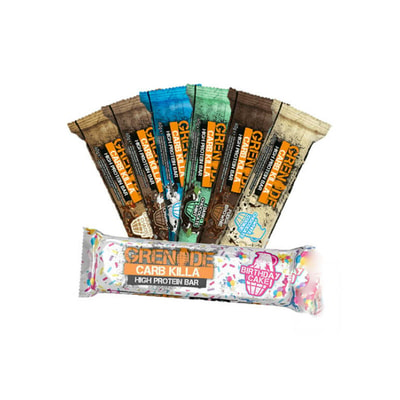
Grenade Carb Killa Protein Bar
From: ৳0
Sold Out
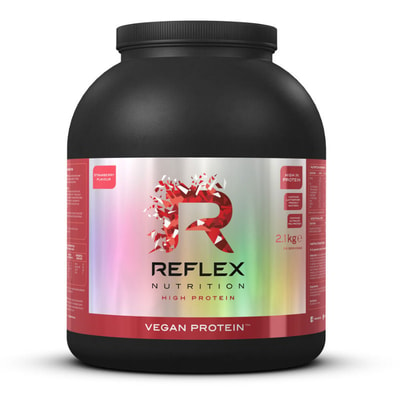
Reflex Nutrition Vegan Protein
From: ৳0
Sold Out
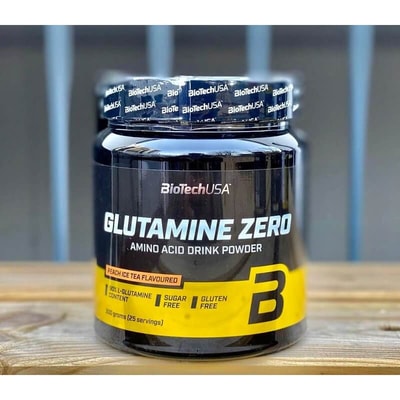
BioTechUSA Glutamine Zero - 11g Pure L-Glutamine Post-Workout Recovery Powder for Athletes
From: ৳0
Sold Out
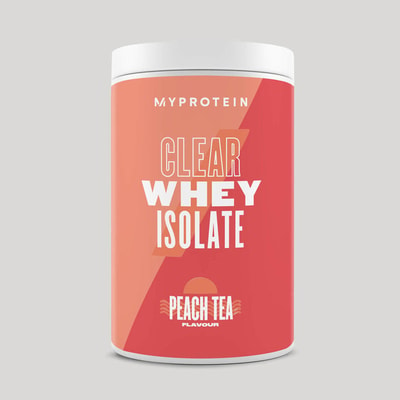
Myprotein Clear Whey Isolate
From: ৳0
Sold Out
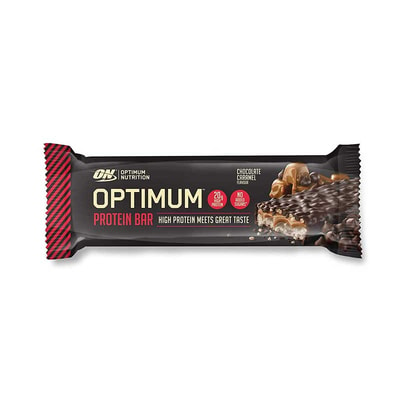
Optimum Nutrition Optimum Protein Bar
From: ৳0
Sold Out
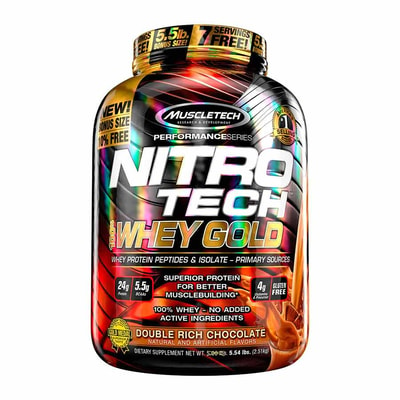
MuscleTech Nitrotech Whey Gold
From: ৳0
Sold Out
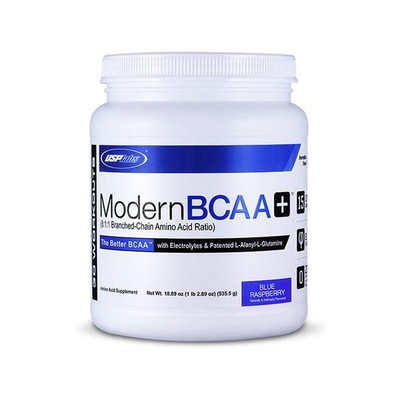
USP Labs Modern BCAA Plus 8:1:1
From: ৳0
Sold Out
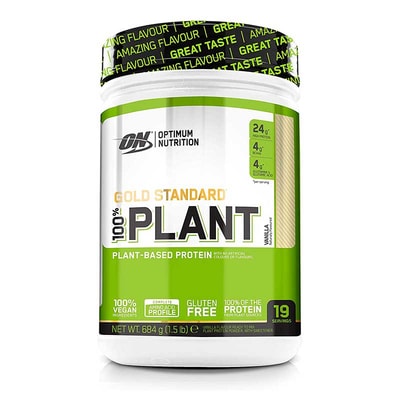
Optimum Nutrition Gold Standard 100% Plant Vegan and Gluten Free Protein Powder
From: ৳0
Sold Out
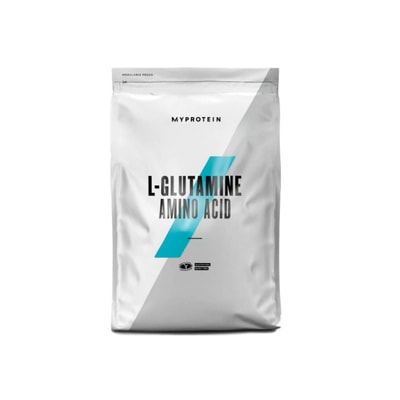
Myprotein L Glutamine 500 gm
From: ৳0
Sold Out
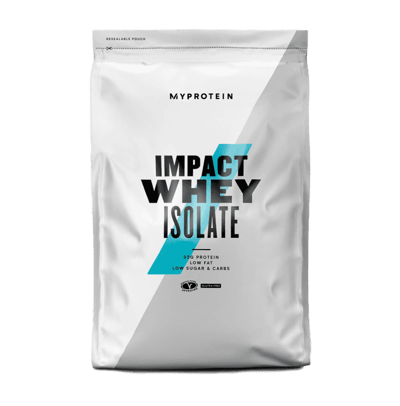
Myprotein Impact Whey Isolate
From: ৳0
Sold Out
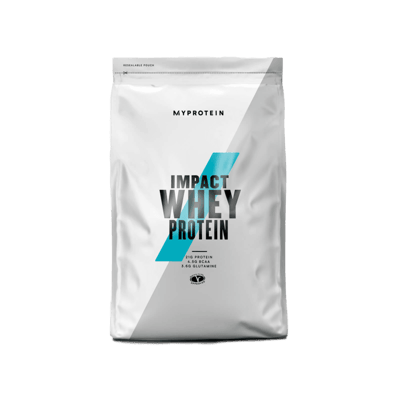
Myprotein Impact Whey Protein
From: ৳0
Sold Out
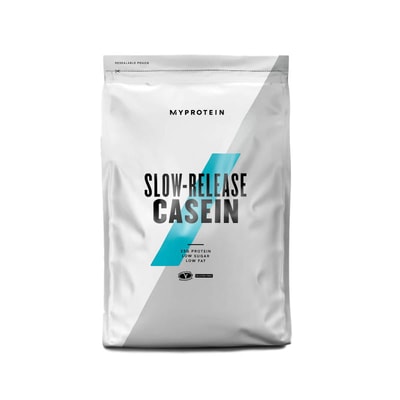
Myprotein Slow Release Casein Protein
From: ৳0
Sold Out
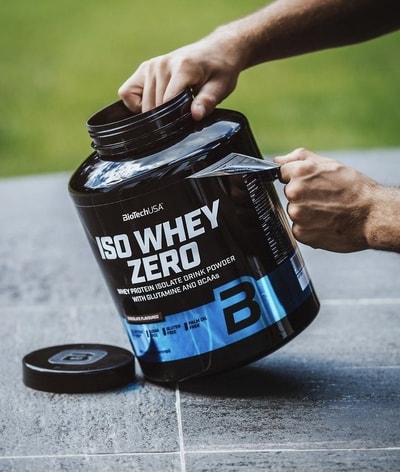
BioTechUSA Iso Whey Zero - 100% Pure WPI Isolate Protein for Lean Muscle Growth
From: ৳0
Sold Out
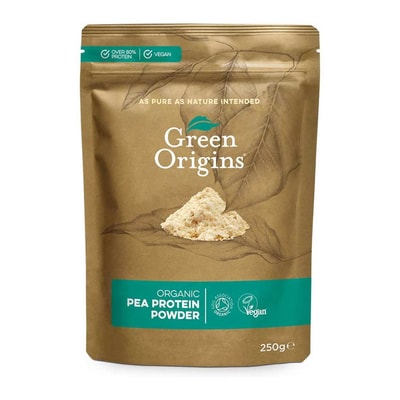
Organic Pea Protein 250 gm
From: ৳1350
Sold Out
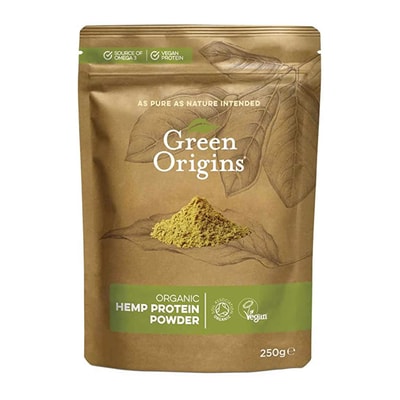
Organic Hemp Protein Powder 250 gm
From: ৳1350
Sold Out
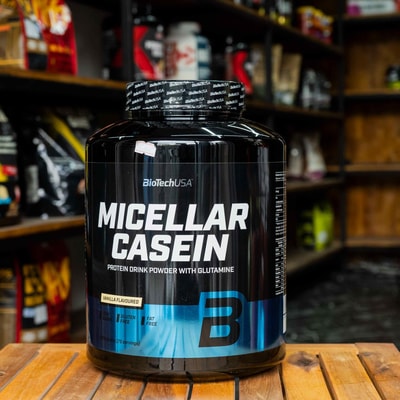
BioTechUSA Micellar Casein - 73% Slow-Release Protein for Overnight Muscle Recovery
From: ৳0
Sold Out
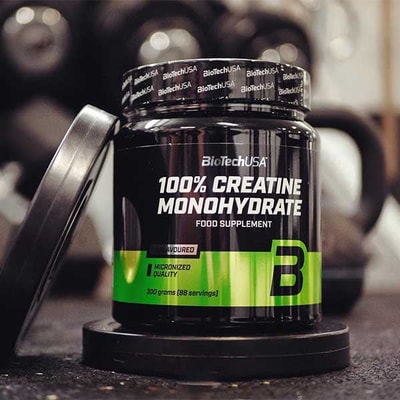
BioTech USA 100% Creatine Monohydrate - Micronized Performance Powder for Muscle Strength & Power
From: ৳0
Sold Out
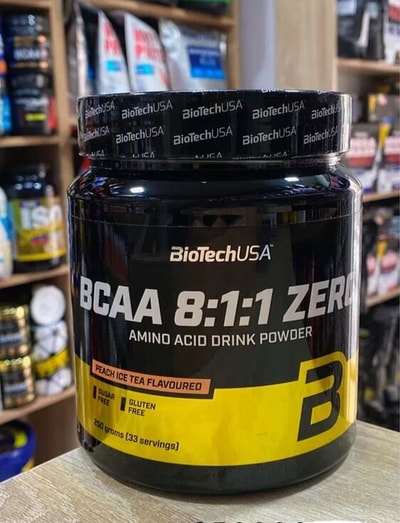
BioTechUSA BCAA 8:1:1 - Premium Leucine-Rich Amino Acid Formula for Muscle Recovery & Growth
From: ৳0
Sold Out
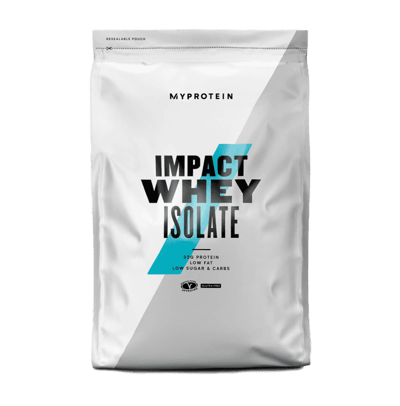
Myprotein Impact Whey Isolate 2.5 KG
From: ৳0
Sold Out
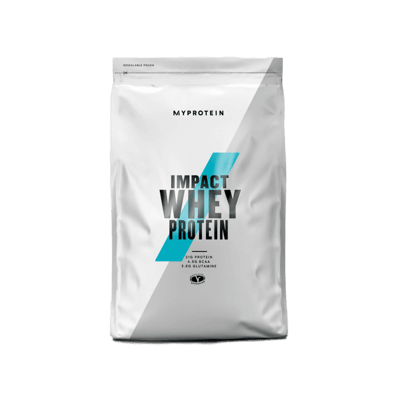
Myprotein Impact Whey Protein 2.5 KG
From: ৳0
Sold Out
Protein is the fundamental building block of muscle tissue, and no training programme can outwork an inadequate protein intake. Every gym session is only the stimulus — the actual repair and growth happen in the hours and days afterwards, and they are built from amino acids. At Somvranto, Bangladesh's direct-import supplement store since 2014, we have assembled the country's most comprehensive collection of protein powders and muscle-building supplements: 38 products spanning whey concentrates and blends, whey isolates, clear whey, micellar casein, vegan and plant proteins, protein bars, creatine, BCAAs and glutamine — imported directly from MyProtein, BioTechUSA, Optimum Nutrition, Dymatize, MuscleTech, PhD Nutrition, Reflex Nutrition, Applied Nutrition, Grenade, EFX Sports, Kaged, Scivation, USP Labs and AllNutrition.
Whether you are a competitive bodybuilder preparing for a show, a recreational gym-goer training three evenings a week, an endurance athlete, or simply someone who wants to raise their daily protein for better overall health, the right product is on this page. The guide below explains what each protein type actually does inside the body, how creatine, BCAA and glutamine fit into a complete muscle-building stack, what genuinely drives prices in Bangladesh, and — critically — how to protect yourself from the counterfeit protein powders that flood the local market.
Why Protein Intake Decides Your Muscle-Building Results
Muscle grows through a continuous cycle: resistance training creates the stimulus by breaking down muscle fibres, dietary protein supplies the raw material to rebuild them, and sleep plus recovery time allows the process to complete. The master switch in this process is muscle protein synthesis, and it is switched on primarily by the essential amino acid leucine. Research consistently shows that a dose of roughly 20–40g of quality protein — delivering around 2.5–3g of leucine — is what maximally stimulates muscle protein synthesis at a single meal. Anything less produces a weaker response.
For anyone chasing muscle growth, the widely accepted daily target is around 1.6–2.2g of protein per kilogram of bodyweight. For a 70kg lifter, that means 110–155g of protein every day, ideally spread across three to four meals. Hitting that from food alone is possible — but expensive and logistically demanding for most Bangladeshi routines.
This is where the typical local plate works against gym-goers. Staple meals are built around rice, roti, dal and vegetables, with fish or meat often appearing in portions too small to carry a 30g protein dose. A standard plate of dal-bhat may deliver only 12–15g of protein alongside a heavy carbohydrate load, and chicken breast has become genuinely costly in Dhaka's markets. Vegetarian Bangladeshis who rely on dal, dairy and plant foods face an even harder gap, because single plant proteins tend to be low in one or more essential amino acids. One or two well-timed shakes close this gap conveniently and affordably — that is precisely the job this category exists to do.
Building Muscle on a Typical Bangladeshi Diet
Food should always come before powder. Eggs are among the most affordable complete proteins available in Bangladesh, chicken and fish deliver solid protein per meal, and dal, chickpeas, paneer and milk all contribute meaningfully. The practical problem is not knowledge — it is arithmetic and cost. Reaching 130–160g of protein daily from chicken alone would demand a quantity of poultry that strains most household budgets, and typical office or student schedules rarely allow four cooked protein meals a day.
That is the honest case for supplementation. One post-workout shake contributes around 20–25g of high-quality protein in seconds, a casein shake before bed covers the overnight fast, and a bar covers the commute home. Supplements do not replace Bangladeshi meals — they complete them. Think of this category as a set of precision tools for hitting a protein target that a rice-centred plate was never designed to reach.
Bulking and cutting change the arithmetic rather than the principle. When bulking, the challenge flips: total calories climb along with protein, and whole milk, bananas, peanut butter and rice become inexpensive allies — a shake blended with milk and a banana can carry a full meal's worth of energy alongside its protein. When cutting, the opposite applies: every calorie must earn its place, which is precisely where isolates and clear whey shine, delivering protein with minimal accompanying energy. Either way, the protein target stays fixed; only the food around it changes.
Whey, Isolate, Casein or Plant? Understanding Protein Types
Every major protein format behaves differently in the body, and choosing correctly is the single biggest lever for value in this category. Understanding the differences is crucial for maximizing your results.
Whey Concentrate — The All-Round Daily Driver
Whey concentrate is the most popular and most affordable form: typically 70–80% protein by weight, with the remainder made up of naturally occurring carbohydrates, a little lactose and fat, and beneficial bioactive compounds. It mixes easily, tastes creamy and supports general muscle building excellently. For anyone without dairy sensitivity who wants the best balance of taste, mixability and price, concentrate is the sensible default.
Whey Isolate and Hydrolyzed Isolate — Maximum Protein, Minimal Extras
Whey protein isolate is the purest form, filtered to 90%+ protein with minimal lactose and fat — ideal for those on cutting diets or with lactose sensitivity. Hydrolyzed whey takes the process a step further: the protein chains are pre-digested into smaller peptides, making it the fastest-absorbing format of all, perfect for immediate post-workout recovery when delivery speed is the priority.
Clear Whey — Juice-Style Refreshment
Clear whey is a light, refreshing, juice-like protein drink made from filtered whey isolate. It exists for people who find milky shakes too heavy — a genuine advantage through Bangladesh's hot, humid months, or as a mid-morning protein top-up at the office or on campus. Same fast absorption as isolate, completely different drinking experience.
Micellar Casein — Slow Release for Overnight Recovery
Casein protein forms a gel in the stomach, providing a sustained release of amino acids for up to around eight hours. Taken before bed, it drip-feeds your muscles through the overnight fast and helps prevent muscle breakdown during sleep. It is noticeably thicker and more filling than whey, which also makes it useful for managing hunger between meals while cutting.
Plant-Based Proteins — Vegan and Dairy-Free Options
Plant proteins such as pea, hemp, rice and soy offer complete amino acid profiles when intelligently combined, making them fully suitable for vegans and those with dairy allergies. Modern vegan formulas have largely solved the old problems of grittiness and thin flavour. Pea protein is naturally rich in the branched-chain amino acids that drive muscle growth, while hemp protein brings omega fatty acids and fibre alongside its protein content.
| Type | Typical protein content | Absorption speed | Best suited for |
|---|---|---|---|
| Whey concentrate | 70–80% | Fast | Daily muscle building; best taste and value |
| Whey isolate | 90%+ | Fast | Cutting diets; lactose sensitivity |
| Hydrolyzed isolate | 90%+ | Fastest | Immediate post-workout recovery |
| Clear whey isolate | High | Fast | Light juice-style refreshment in hot weather |
| Micellar casein | Around 70%+ | Slow, 7–8 hours | Before bed; between meals while cutting |
| Plant proteins | 60–85% | Medium | Vegans; dairy allergy; gentle digestion |
Protein Quality — Why the Source Matters
Not all protein is measured equally. Nutrition scientists score protein sources by their amino acid completeness and digestibility, and on these scales whey consistently ranks among the highest of all food proteins: it is complete, exceptionally rich in leucine, and absorbed efficiently. Casein and egg perform similarly well. Among plant sources, soy and pea score strongly, while single grains and legumes carry limiting amino acids — rice is low in lysine, and pea protein is relatively low in methionine. This is exactly why premium vegan formulas blend multiple plant sources: pea paired with rice or hemp produces a complete amino acid profile that rivals dairy protein. For you as a buyer, the practical rule is simple — whey for maximum per-gram quality, blended plant proteins for dairy-free goals, and single plant proteins paired strategically across the day.
Creatine, BCAA and Glutamine — Completing the Muscle-Building Stack
Protein powder is the foundation of a muscle-building supplement plan, but three other families have earned permanent places in serious training programmes.
Creatine — The Most Researched Strength Supplement in Existence
Creatine monohydrate is the single most studied sports supplement in the world, with hundreds of published trials supporting its role in strength, power output, training volume and muscle gain. It works by increasing the phosphocreatine stores your muscles use to regenerate energy during short, intense efforts — letting you lift heavier, complete more repetitions and accumulate more total training stimulus over weeks and months. The evidence-based approach is simple: 3–5g daily, every day, with no cycling required; loading phases are optional rather than necessary. A small increase in bodyweight from water entering muscle cells is normal and is part of how creatine works. Beyond classic monohydrate, refined forms exist: Creapure is the German-manufactured ultra-purity benchmark, buffered Kre-Alkalyn suits those who prefer a pH-stabilised form, and creatine HCL offers a convenient capsule format.
BCAAs — Branched-Chain Amino Acids
The three branched-chain amino acids — leucine, isoleucine and valine — are the aminos muscles use most directly as fuel and building material. The classic ratio is 2:1:1, while leucine-heavy 8:1:1 formulas front-load the amino acid that directly triggers muscle protein synthesis. BCAAs are most useful during cutting phases, fasted early-morning training, or long sessions far from your next meal. If your daily protein intake is already on target, they are a convenience rather than a necessity — an honest distinction worth knowing before you spend.
L-Glutamine — Recovery Support for Hard Training Blocks
Glutamine is the most abundant amino acid in muscle tissue, and its levels fall during intense training. Supplementing around 5–11g post-workout or before bed is popular for supporting recovery between demanding sessions. Glutamine also serves as a primary fuel for the cells lining the digestive tract, which is why it frequently appears in gut-support routines as well.
Protein Timing — When to Take What
Research has relaxed the old thirty-minute anabolic-window panic: total daily protein matters far more than split-second timing. That said, sensible timing improves both convenience and results. After training, fast whey, isolate or hydrolyzed protein within a couple of hours is the conventional and still sensible choice. Before bed, micellar casein covers the overnight fast. Between meals, a shake or bar keeps amino acid supply steady across the day. For fasted morning training, BCAAs or a light clear whey work during or immediately after the session. Creatine, uniquely, is timing-flexible — what matters is taking 3–5g every single day, ideally with a meal.
Whey Protein Blends — The Daily Muscle-Building Workhorses
These are the classic tubs most people picture when they hear the words protein powder: whey concentrate-led blends built for taste, mixability and dependable everyday use. One shake after training and one between meals reliably lift a Bangladeshi diet toward its protein target.
- BioTech USA 100% Pure Whey — a 78% protein blend of isolate and concentrate from Hungary's leading sports nutrition brand, known for clean mixing and dependable flavours (restocking).
- Myprotein Impact Whey Protein — Europe's best-selling everyday whey concentrate and the benchmark for flavour variety (restocking).
- Myprotein Impact Whey Protein 2.5 KG — the bulk bag for committed lifters who have settled on a flavour and want long-run value (restocking).
- Optimum Nutrition 100% Gold Standard Whey Protein — the iconic isolate-plus-concentrate blend every other whey gets compared against (restocking).
- MuscleTech NitroTech — the research-backed formula that pairs whey isolate with creatine in a single muscle-building scoop (restocking).
- MuscleTech NitroTech Whey Gold — NitroTech's pure whey version for those who prefer to dose creatine separately (restocking).
Whey Isolate, Hydrolyzed and Clear Whey — Lean Muscle Specialists
When the goal is maximum protein with minimal calories, lactose or bloat, these are the formats to reach for. Isolates dominate cutting phases and contest-prep diets, while clear whey delivers the same speed in a refreshing juice-style drink that suits our climate.
- BioTechUSA Iso Whey Zero — a pure whey protein isolate famous for clean macros and dessert-level flavours (restocking).
- Myprotein Impact Whey Isolate — high-percentage isolate with minimal fat and sugar for lean phases (restocking).
- Myprotein Impact Whey Isolate 2.5 KG — the same isolate in a bulk format sized for long cutting cycles (restocking).
- Dymatize ISO100 Whey Protein Hydrolyzed Isolate from ৳14,300 — pre-digested hydrolyzed isolate for the fastest possible delivery, the premium recovery choice (restocking).
- Myprotein Clear Whey Isolate — a refreshing juice-style isolate drink built for hot weather and light stomachs (restocking).
- PhD Nutrition Diet Whey Protein — the UK brand's lean-protein formula designed specifically for fat-loss phases (restocking).
Micellar Casein — Overnight Muscle Recovery
Casein answers a specific question: what protects your muscles during the seven-plus hours you spend asleep and fasting? Its slow, gel-like digestion makes it the intelligent final shake of the day.
- BioTechUSA Micellar Casein — a 73% slow-release protein that drip-feeds amino acids through the night (restocking).
- Myprotein Slow Release Casein Protein — a thick, satisfying bedtime shake that also manages overnight hunger (restocking).
Vegan and Plant-Based Proteins
For vegan athletes, lactose-intolerant users and anyone whose digestion prefers plants, this family has grown from an afterthought into a genuinely complete category. Pea and hemp combinations cover the full essential amino acid spectrum while remaining easy on the stomach.
- BioTechUSA Vegan Protein (500g) from ৳3,490 — a plant protein complex with added superfoods, in stock and ready to ship.
- Optimum Nutrition Gold Standard 100% Plant Vegan and Gluten Free Protein Powder — the plant flagship of the world's best-known whey brand (restocking).
- Reflex Nutrition Vegan Protein — British-made plant protein from a brand with quality credentials since 1996 (restocking).
- AllNutrition Vegan Pea Protein (500g powder) from ৳2,880 — single-source pea protein supporting muscle and bone health (restocking).
- Organic Pea Protein (250 gm) from ৳1,350 — organic-certified, single-ingredient simplicity at the collection's gentlest price (restocking).
- Organic Hemp Protein Powder (250 gm) from ৳1,350 — organic hemp pairing protein with omega fatty acids and natural fibre (restocking).
Protein Bars — Muscle Nutrition for Dhaka Traffic
Sometimes the most useful protein format is the one that survives a gym bag, a long commute or a full class schedule without needing a shaker bottle. A well-made bar delivers a meaningful protein dose alongside controlled carbohydrates.
- Grenade Carb Killa Protein Bar — the world-famous triple-layered bar that made protein bars genuinely enjoyable (restocking).
- Optimum Nutrition Optimum Protein Bar — a dependable, broadly flavoured bar from the Gold Standard maker (restocking).
- PhD Smart Bar — the UK's popular high-protein, lower-sugar snack for commutes and cravings (restocking).
Creatine Supplements — Strength's Most Proven Ingredient
If protein is the foundation of muscle, creatine is the foundation of strength, and every serious programme eventually includes it. The differences below are mainly about form, purity standard and format — the daily 3–5g habit is what actually matters.
- Applied Nutrition Creatine Monohydrate (250g powder) from ৳2,530 — pure micronised monohydrate that mixes cleanly; in stock now.
- BioTech USA 100% Creatine Monohydrate — micronized performance powder from one of Europe's most trusted brands (restocking).
- Myprotein Creatine Monohydrate — the no-frills European staple for daily 3–5g dosing (restocking).
- Optimum Nutrition Micronised Creatine Powder — micronised for better mixing, from the Gold Standard brand (restocking).
- MuscleTech Platinum Creatine — the research-driven brand's straightforward monohydrate line (restocking).
- Reflex Nutrition Creapure Creatine Monohydrate (250 gm powder) from ৳3,170 — built on Creapure, the German-manufactured purity benchmark (restocking).
- EFX Sports Kre Alkalyn from ৳2,350 — the patented buffered creatine for users who prefer a pH-stabilised form (restocking).
- Kaged Muscle C-HCL Patented Creatine HCL Vegetarian Capsules from ৳3,900 — patented creatine HCL in vegetarian capsules, no shaker required (restocking).
BCAA Amino Acid Formulas
Intra-workout aminos have a defined niche: fasted morning sessions, long cutting phases and training windows far from your next meal. Ratio and flavour are the main differentiators here.
- BioTechUSA BCAA 8:1:1 — a premium leucine-rich ratio for recovery and growth during demanding blocks (restocking).
- Myprotein BCAA 2:1:1 — the classic, most-studied ratio in Myprotein's broad flavour range (restocking).
- Scivation Xtend BCAA — the world's best-known sugar-free intra-workout recovery drink (restocking).
- USP Labs Modern BCAA Plus 8:1:1 — an 8:1:1 formula with added hydration support for heavy-sweat sessions (restocking).
For standalone amino acids beyond BCAAs — carnitine, arginine, theanine and more — browse our wider amino acids category.
L-Glutamine — The Recovery Amino
When training volume rises and recovery starts lagging, glutamine is the amino lifters traditionally reach for. It pairs naturally with whey in a post-workout shake or with casein before bed.
- BioTechUSA Glutamine Zero — 11g of pure L-glutamine per serving for post-workout recovery (restocking).
- Myprotein L Glutamine — the standard European option for consistent daily recovery dosing (restocking).
- Myprotein L Glutamine 500 gm — the bulk size for long, hard training blocks (restocking).
How to Choose the Right Muscle-Building Supplement
Goals — not marketing — should pick your product. These are the pairings our team recommends when customers describe what they actually want:
- For all-round muscle building: a daily whey blend such as BioTech USA 100% Pure Whey or Optimum Nutrition Gold Standard Whey, combined with 3–5g of creatine monohydrate every day — the most evidence-backed combination in sports nutrition.
- For fat loss and cutting: BioTechUSA Iso Whey Zero, Myprotein Impact Whey Isolate or PhD Nutrition Diet Whey for maximum protein with minimal calories, with casein between meals to manage hunger.
- For lactose intolerance or sensitive digestion: isolates such as Myprotein Clear Whey or Dymatize ISO100, or the plant family — BioTechUSA Vegan Protein, organic pea or hemp.
- For vegan diets: Optimum Nutrition Gold Standard Plant or Reflex Nutrition Vegan Protein as complete blends, with organic pea and hemp as single-ingredient options.
- For overnight recovery: BioTechUSA Micellar Casein or Myprotein Slow Release Casein as the final shake of the day.
- For strength and performance focus: creatine first — Applied Nutrition Micronised Creatine is in stock now, with Creapure, Kre-Alkalyn and HCL capsules available for specific form preferences.
- For busy commutes and travel: Grenade Carb Killa, ON Optimum Protein Bar or PhD Smart Bar in the bag, so missed meals stop meaning missed protein.
- For tight budgets: Organic Pea Protein or Organic Hemp Protein at ৳1,350 — the most affordable entry into genuine imported protein in the collection.
Training hard also demands energy, pump and focus — our pre-workout and performance category covers that side, while the weight management category supports broader fat-loss goals.
How to Spot Counterfeit Protein Powder in Bangladesh
The Bangladeshi fitness community has grown tremendously — and with it a market flooded with counterfeit and adulterated protein powders that are ineffective at best and harmful at worst. Fake tubs with copied labels, refilled original containers and under-dosed value brands are all real risks here. Five checks protect you:
- Buy from the direct importer. Somvranto imports every protein product directly from the brands' authorized distributors — no grey-market resellers, no unverifiable middle layers.
- Inspect the seal and printing. Genuine tubs arrive with intact tamper-evident seals and crisp label printing; counterfeits usually betray themselves on close inspection.
- Match the batch code and BBE. Every Somvranto product page displays the exact best-before date of the batch you will receive, and our team can share batch details on request.
- Treat dramatic discounts as warnings. Authentic imported protein has a floor price. A tub at half the going rate is not a bargain — it is a red flag.
- Judge the powder itself. Genuine whey mixes smoothly and tastes consistent; hard clumping, odd smells or harsh chemical sweetness suggest adulteration or stale stock.
One more everyday safeguard: storage. Bangladesh's heat and monsoon humidity are hard on powdered supplements. Keep every tub sealed in a cool, dry cupboard away from the stove and bathroom steam, never in the refrigerator where condensation forms, and always scoop with bone-dry hands and utensils. Powder that has hardened into a solid brick, smells off or tastes sour has absorbed moisture or oxidised — discard it regardless of the printed date. Treat the tub like fresh food between deliveries and the last serving will taste as good as the first.
Protein and Muscle Building Supplement Prices in Bangladesh
Genuine muscle-building supplements at Somvranto currently range from ৳1,350 to ৳14,300. The entry point belongs to the organic plant proteins — Organic Pea Protein and Organic Hemp Protein, both 250 gm at ৳1,350. In between sit EFX Sports Kre Alkalyn at ৳2,350, Applied Nutrition's micronised creatine at ৳2,530 (in stock now), AllNutrition Vegan Pea Protein at ৳2,880, Reflex Nutrition Creapure at ৳3,170, BioTechUSA Vegan Protein at ৳3,490 and Kaged Muscle Creatine HCL capsules at ৳3,900. At the top of the range, Dymatize ISO100 hydrolyzed isolate stands at ৳14,300 — a highly refined premium product for dedicated athletes.
What genuinely moves these numbers? Protein form — isolate costs more than concentrate because extra filtration yields more protein per gram with less lactose and fat. Pack size — the 2.5 KG whey formats cost more upfront but serve far longer. Branded raw materials — Creapure, Kre-Alkalyn and patented HCL carry licensing premiums over generic monohydrate. Brand origin — American and Western European brands price above regional alternatives. And certification — organic certification, as on the pea and hemp proteins, adds real cost at source.
Because the collection is imported in rotating batches, availability changes: items marked restocking return with the next inbound shipment, and each product page always shows today's live price and stock status the moment a batch lands. By importing directly from manufacturers and authorized distributors, we remove the markups that stacked middlemen add — keeping genuine protein among the most competitively priced in Bangladesh.
Why Buy Protein and Muscle-Building Supplements from Somvranto
Somvranto has imported authentic supplements directly since 2014 — exactly the track record a counterfeit-plagued protein market demands. Every product in this collection carries our authenticity guarantee: original manufacturer seals, documented sourcing from authorized distributors, and batch-level BBE transparency on the product page. Climate-controlled storage protects protein powders from the heat and humidity that degrade them between port and your doorstep, and every listing includes detailed usage guidance.
We are equally committed to making authentic sports nutrition accessible to every Bangladeshi fitness enthusiast. Direct importing eliminates middlemen markups, and bundle deals and loyalty discounts make long-term supplementation more affordable. Delivery reaches every district of the country, and our knowledgeable support team — reachable on WhatsApp at 01787555666 — regularly helps customers choose between protein types, forms and brands based on their goals, dietary preferences and budget.
Whether you are bulking, cutting, maintaining or simply improving your overall nutrition, the right product is on this page. Shop the complete protein and muscle building collection and fuel your training with confidence — 100% authentic supplements, honest prices and reliable delivery anywhere in Bangladesh.
Frequently Asked Questions
What is the price of whey protein in Bangladesh? +
Which protein powder is best for muscle building in Bangladesh? +
How can I check if my protein powder is authentic in Bangladesh? +
How much protein do I need per day to build muscle? +
When is the best time to drink a protein shake? +
Is creatine monohydrate safe, and do I need to load it? +
Can I take protein powder if I am lactose intolerant? +
Are protein and creatine supplements halal? +
How should I store protein powder in Bangladesh's humidity? +
Do you deliver protein supplements outside Dhaka? +
What is the difference between whey isolate and whey concentrate? +
Do I need BCAA if I am already taking whey protein? +
Our weekly Newsletter.
Subscribe for a "Reason" in Your Inbox
Corporate: 7th Floor, 27 Shaptak Square, Dhanmondi 16, Dhaka
👉 It's corporate office, NOT Showroom. Visitor Appointment is Must
Email: order@somvranto.com | WhatsApp: 01787555666
Download Our App


SOMVRANTO
Quick Links
Wellness
Sports Nutrition