
MENU

Skincare & Natural Oils Supplements Price in Bangladesh
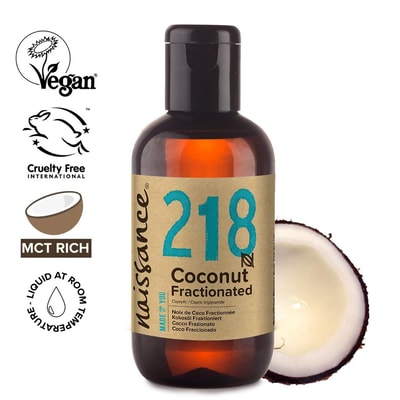
Coconut Fractionated Oil
From: ৳890
Sold Out
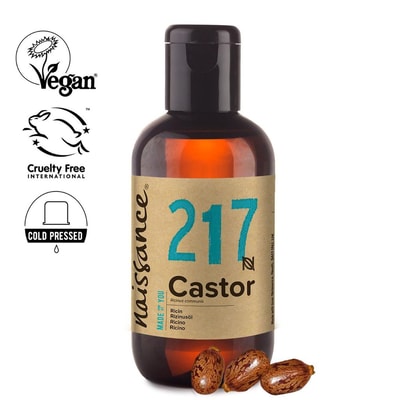
Castor Oil
From: ৳890
Sold Out
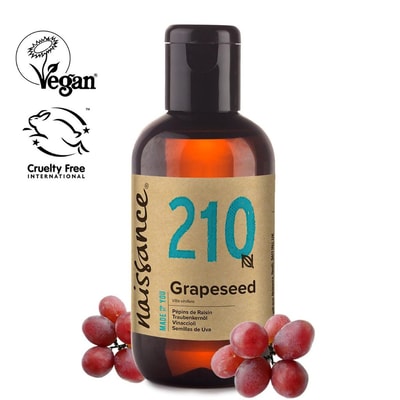
Grapeseed Oil
From: ৳890
Sold Out
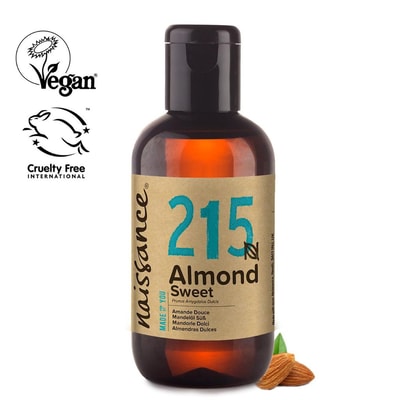
Almond Sweet Oil
From: ৳890
Sold Out
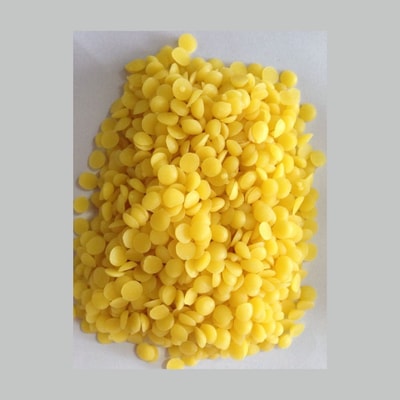
Yellow Beeswax Pellets
From: ৳980
Sold Out
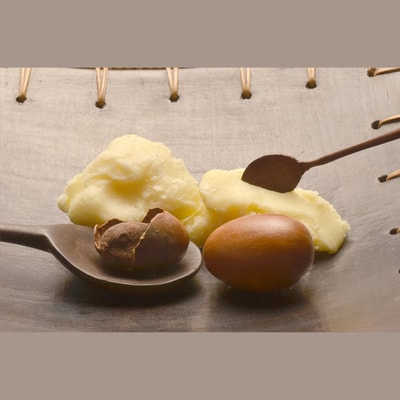
Pure Unrefined Shea Butter
From: ৳0
Sold Out
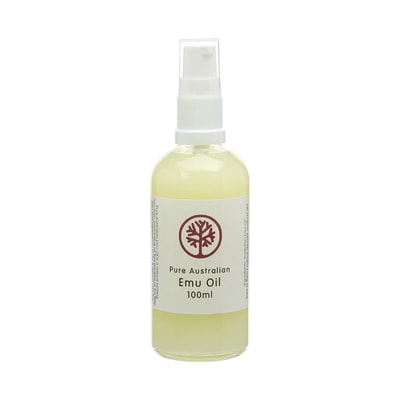
Australian EMU Oil Pure
From: ৳2550
Sold Out
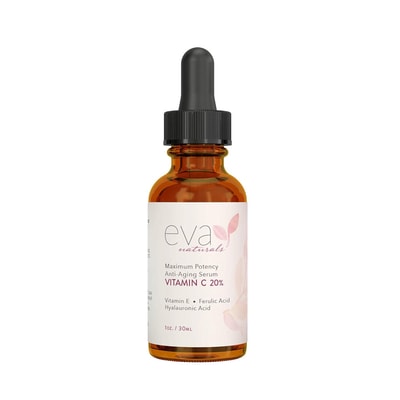
Vitamin C 20% - Face Serum
From: ৳1500
Sold Out
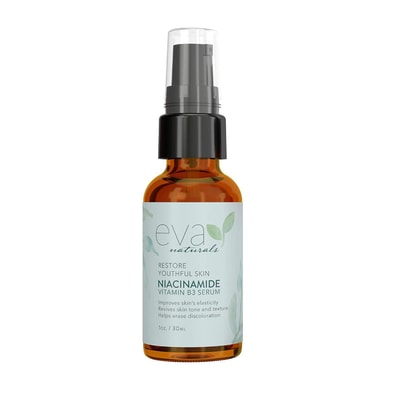
Niacinamide Vitamin B3 Serum
From: ৳1500
Sold Out
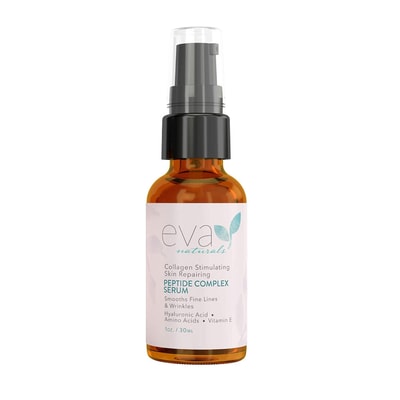
Collagen Stimulating Peptide Complex Serum
From: ৳1500
Sold Out
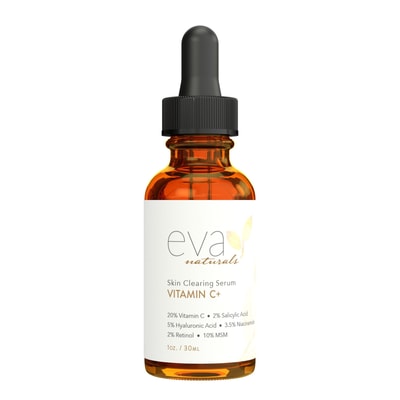
Vitamin C + Salicylic Acid, Hyaluronic Acid, Niacinamide, Retinol & MSM
From: ৳2330
Sold Out
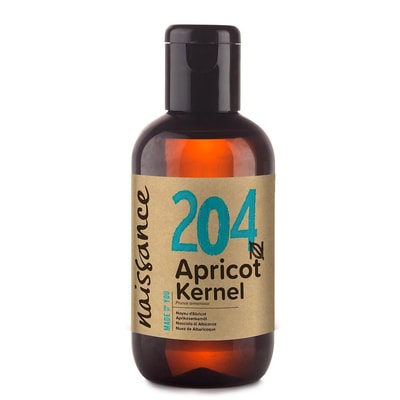
Apricot Kernel Oil
From: ৳890
Sold Out
Healthy, radiant skin is a reflection of proper nourishment — both from within and through targeted topical care. While our Skin, Hair & Nails supplements category addresses beauty that is built from the inside, the Skincare & Natural Oils collection at Somvranto provides the complementary outside-in approach: pure, natural ingredients that work in harmony with your skin's own biology rather than fighting against it. Here you will find concentrated face serums, cold-pressed carrier oils, specialty butters and DIY formulation ingredients, all curated for people in Bangladesh who want effective, honest, chemical-free skincare rather than a shelf full of marketing promises.
As Bangladesh's authentic supplement and natural-wellness store, importing directly since 2014, Somvranto applies the same discipline to skincare that we apply to nutrition: every product is sourced carefully, stored properly, and backed by transparent batch information. Our collection covers every major skin concern — dullness and hyperpigmentation, acne and excess oil, dehydration, fine lines and premature ageing — with a deliberately small, high-quality selection instead of a cluttered catalogue of lookalike products.
Inside-Out and Outside-In: Why Topical Care Completes the Picture
Good skin is the visible end point of several overlapping systems. Nutrition supplies the raw materials — vitamin A and C for collagen, zinc and essential fatty acids for barrier repair, omega-3s for the lipid signalling that keeps inflammation in check, which is why many customers of this category also maintain a routine from our Omega & Fish Oils range. Sleep, hydration and stress hormones shape how those nutrients are used. Topical skincare then does the part that diet cannot reach directly in useful amounts: it delivers antioxidants, sebum regulators and humectants precisely to the surface layers of the skin, where wrinkles, dark spots and breakouts actually form.
For Bangladeshi daily life, this outside-in layer matters more than most people realise. Strong tropical UV exposure year-round, high humidity that drives constant sebum production, urban air pollution loaded with particulates, and a diet whose antioxidant profile does not always keep pace with that oxidative load — together these produce the complaints we hear about most in our customer conversations: dark patches on the cheeks, enlarged pores, oily T-zones, premature dullness. Those four problems form the backbone of our serum selection, detailed below, and they respond remarkably well to consistent use of evidence-based actives.
It is equally important to be honest about what topical care cannot do. No oil erases a scar overnight, no serum replaces sunscreen, and no single product compensates for chronic sleep deprivation. What these products do — when chosen for the right skin type and used consistently — is support your skin's natural renewal processes so that, over weeks rather than days, tone evens out, texture smooths, and the barrier becomes more resilient. That is the supplement-education standard we hold every claim on this page to.
Understanding the Active Ingredients: What Our Serums Actually Do
Serums are the most concentrated products in any routine, and reading a serum label intelligently is the single most useful skincare skill. The short ingredient glossary below explains each active in our collection and how to use it within the Bangladeshi climate.
Vitamin C (L-Ascorbic Acid) — the Brightening Antioxidant
Vitamin C is the best-established antioxidant in cosmetic science. Applied in the morning, it neutralises the free radicals generated by UV exposure and pollution before they can damage collagen fibres or trigger excess melanin production. Vitamin C is also an essential cofactor for collagen synthesis in the skin, which links daily use directly to firmer, younger-looking texture. The L-ascorbic acid form at 20% — as in our Vitamin C 20% Face Serum — is the most studied and most potent configuration, and the morning-slots-only rule applies: vitamin C works best layered under sunscreen, not as a night treatment.
Niacinamide (Vitamin B3) — the Multi-Tasker for All Skin Types
Niacinamide is the rare active that truly suits everyone, including sensitive and acne-prone skin. It strengthens the skin barrier by supporting ceramide production, reduces inflammation and redness, regulates sebum and visibly minimises pores, and fades post-acne marks and hyperpigmentation by interrupting the transfer of melanin to skin cells. Because it is stable at typical formulation pH and disliked by almost no one, vitamin B3 is the serum we recommend to beginners who want one product to address several shifting concerns at once.
Retinol — the Most Proven Anti-Ageing Ingredient
Retinol, the cosmetic-accessible form of vitamin A, is the active with the deepest evidence base for smoothing fine lines and clearing congestion: it accelerates skin cell turnover, stimulates collagen production and keeps pores from clogging. That power comes with a learning curve — expect mild flaking or sensitivity during the first weeks, especially in sun-exposed Bangladeshi conditions. Introduced two or three nights a week, buffered on top of a light moisturiser, retinol delivers results without the irritation people fear.
Hyaluronic Acid — the Water Magnet
Hyaluronic acid is a humectant that can attract and hold roughly a thousand times its weight in water. Applied to slightly damp skin it draws moisture into the upper layers, plumping them so fine lines look softened and the skin feels cushioned rather than tight. It is the most forgiving ingredient in skincare — overuse it alone, however, in very dry air-conditioned rooms and it can pull water from deeper layers instead, so always follow it with a moisturiser to seal it in.
Salicylic Acid (BHA) — the Pore Cleaner
Salicylic acid is oil-soluble, which means it can travel into the sebum-filled inner structure of a pore where water-soluble exfoliants cannot reach. There it loosens the dead cells and debris that begin every blackhead and pimple. For oily, hot, sweaty Bangladeshi conditions this makes it a frontline ingredient: it keeps pores functional in exactly the climate where they work hardest.
Peptides — the Collagen Messengers
Peptide serums approach ageing from a maintenance angle. Peptides are short amino-acid chains that signal skin cells to behave like younger cells — building more collagen, holding structure, repairing more efficiently. Where retinol renovates and vitamin C defends, peptides communicate and support, making them a gentler long-term strategy for firmness.
Clinical-Strength Face Serums Available in Bangladesh
Our serum collection is a four-product lineup, each formulated for a distinct job, all priced honestly by Somvranto for the Bangladesh market:
- Vitamin C 20% - Face Serum from ৳1,500 — the morning brightener (restocking).
- Niacinamide Vitamin B3 Serum from ৳1,500 — the pore, oil and barrier multi-tasker (restocking).
- Collagen Stimulating Peptide Complex Serum from ৳1,500 — the firmness and fine-line specialist (restocking).
- Vitamin C + Salicylic Acid, Hyaluronic Acid, Niacinamide, Retinol & MSM from ৳2,330 — the all-in-one powerhouse for results-focused users (restocking).
The three single-active serums at ৳1,500 form the classic core routine: vitamin C in the morning under sunscreen, niacinamide every day, and a peptide complex on the nights when you are not using retinol-containing products. The last product exists for the opposite philosophy — a complete arsenal of the most effective skincare actives in one bottle, best for experienced users who understand the ingredients and want a simplified routine where each active already sits at formulation strength. All four serums are currently between import batches, but our inbound shipments arrive on a rolling schedule and the WhatsApp line at 01787555666 can message you the day your chosen serum is back.
The Pure Carrier-Oil Collection: Nature's Most Versatile Moisturisers
Carrier oils are the quiet workhorses of natural skincare — shared by beauticians, massage therapists and DIY formulators alike. They come from plant seeds and kernels, and their quality shows in the details: whether the oil was cold-pressed with minimal heat processing, how fresh the batch is, and how it is stored. Somvranto's carrier oils arrive in sealed, food-grade-standard packaging and are handled to minimise heat and light exposure throughout the import and storage chain. Beyond that, each oil has a distinct "personality" determined by its fatty-acid profile, and matching that profile to your skin type is what separates a joy to use from a disappointment:
- Apricot Kernel Oil from ৳890 — light, naturally rich in vitamins A and E, gentle enough for sensitive and mature skin, and a beautiful massage oil (restocking).
- Coconut Fractionated Oil from ৳890 — stays liquid in any season, non-comedogenic for the face, the standard carrier for diluting essential oils safely (restocking).
- Castor Oil from ৳890 — thick and deeply moisturising, traditionally used on hair, eyebrows, eyelashes and rough areas of skin (restocking).
- Grapeseed Oil from ৳890 — a light, astringent, linoleic-rich oil preferred for oily and acne-prone skin, applied sparingly over damp skin (restocking).
- Almond Sweet Oil from ৳890 — the classic all-over body oil, naturally rich in vitamins A, B and E, gentle enough for baby massage and daily use (restocking).
Five oils at one honest price point mean the real decision is functional, not financial. Choose by what you need the oil to feel like: the fastest-absorbing and least-filming for the face, the most occlusive and adhesive for hair and brows, the most slip for a relaxing massage.
Specialty Oils, Butters and DIY Formulation Ingredients
Beyond the standard carrier oils sit three products that serve particular traditions of skincare — each worth understanding on its own chemistry rather than on hype.
Australian EMU Oil Pure — the Deep-Penetrating Traditional Oil
Emu oil is unusual among natural oils for how deeply it penetrates the skin, carrying lipids to the lower layers and even helping other ingredients absorb better along with it. It is naturally rich in omega-3, omega-6 and omega-9 fatty acids and has been valued in traditional Australian practice as a soothing emollient where skin is inflamed or easily irritated — eczema and psoriasis patients are among its best documented regular users. The same penetrating quality makes it a natural choice for massage into sore muscles and tired joints after long work days; it has become a favourite of our older customers and of delivery riders and field workers whose legs genuinely ache. At Australian EMU Oil Pure from ৳2,550, this is the most premium oil in our collection (currently restocking).
Pure Unrefined Shea Butter — the Barrier-Protecting Rich Butter
Unrefined shea butter is the classic West African beauty ingredient, processed without bleaching or deodorising so its vitamins A and E and natural fatty fraction remain intact. Solid at room temperature but melting instantly on contact with warm skin, shea excels wherever the skin barrier is struggling: cracked heels and elbows, dry winter lips, stretch marks during and after pregnancy, and the overall dehydration that rooftop workers, motorcycle riders and air-conditioning-heavy office environments all inflict. A small amount goes very far, and it is the richest product in our entire category. Pure Unrefined Shea Butter is currently restocking and its price will be shown on the product page when the new batch lands.
Yellow Beeswax Pellets — the Foundation Ingredient for DIY
Beeswax is the thickener and protective finish of the homemade skincare world. Historically, beeswax created a protective layer on skin that locks moisture in without acting like a comedogenic blockage, and modern balm recipes confirm it: beeswax is the structure, oils are the body, and you adjust the ratio for a lip-gloss softness or a solid salve. Natural skincare enthusiasts across Bangladesh who have struggled to find real graded beeswax locally have been among the most consistent customers for Yellow Beeswax Pellets from ৳980 (restocking). Combined with our fractionated coconut or apricot kernel oil (and just a touch of castor for adhesion), a two-ingredient balm you can make at home outperforms most commercial chapsticks — and costs a fraction of the supermarket version.
Fatty-Acid Literacy: Choosing an Oil by Its Chemistry
If you learn one technical concept from this page, make it oleic versus linoleic acid. Every skin-friendly oil leans to one side of this balance. Oleic acid — dominant in almond and apricot — is heavy, slow to absorb, and superb at plugging gaps in a damaged barrier, which is why dry and mature skin loves these oils. Linoleic acid — dominant in grapeseed, and strongly present in the esterified fraction of fractionated coconut — is lighter, faster-absorbing, and is actually structurally deficient in the sebum of acne-prone people; linoleic-rich oils are therefore the conventional first choice for oily skin. Castor's star molecule, ricinoleic acid, is rarer still: one of the most antimicrobial and anti-inflammatory naturally occurring fatty acids, which underlies its reputation for brows, lashes and scalp health.
This chemistry is why "one oil for everyone" claims are misleading. An oil that is perfect for a teenager with active acne will feel greasy and possibly clog-prone on a fifty-year-old with a fragile barrier, and vice versa. We list each oil's dominant fatty acid on its product page, and the choice gets easy once you know your skin's leanings.
The same reasoning extends into internal nutrition, where the omega-3 and omega-6 balance inside your diet shapes the oils your skin cells produce on their own — a discussion we cover fully on our omega and fish-oil category.
Essential Oils and Safe Dilution: Using Carrier Oils Properly
Our carrier oils are frequently purchased together with pure essential oils, and the pairing deserves proper instruction because essential oils are extremely concentrated botanical extracts that must never be applied undiluted to skin. A carrier's entire job here is mathematical as much as cosmetic: it dilutes the essential oil to a safe working percentage while helping it spread and absorb evenly. For general adult body use, a 2% dilution is the widely accepted starting point — roughly 20 drops of essential oil per 100ml of finished blend, a ratio that is easy to scale up or down regardless of bottle size. For facial skin, children, or anyone with reactive skin, halve that to 1% and treat it as a maximum until experience says otherwise.
Sensible practice for first-time blenders in Bangladesh: make small batches so nothing sits unused for long in our climate, mix in glass rather than plastic, write the date on the label, and patch test each finished blend the same way you would a new serum. Citrus oils in particular increase sun sensitivity wherever they are applied, so citrus-scented blends belong in an evening routine, not a morning one. And keep every blended oil away from the eyes — the fatty acids that make castor oil so useful for brows and lashes will happily sting the delicate eyelid skin if a blend migrates.
This is also where beeswax graduates from theory to craft. A basic balm is one part beeswax pellets to roughly four parts warmed carrier oil, melted together in a water bath and poured into tins; add a few drops of a suitable essential oil once the mixture has cooled but not set, and you have a product that competes with shop-bought balms at a fraction of the cost. Batch-making also solves a practical Bangladeshi problem — homemakers preparing small gifts or wedding favours regularly order several carrier oils and beeswax for exactly this purpose.
Serums, Oils and Butters: Which Texture Does Your Skin Need?
Choosing the right consistency is half of choosing the right product, so this comparison prevents the most common mismatch:
| Texture | Best for | How it behaves on skin |
|---|---|---|
| Water-based serums | Brightening, pore care, firmness | Lightweight layers that carry concentrated actives into the upper skin layers |
| Light carrier oils | Oily, combination and acne-prone skin; massage | Fast-absorbing lipid layer that conditions without a heavy film |
| Rich oils and castor | Dry skin, hair, brows, lashes, scalp | Thicker, more adhesive and more occlusive — longer-lasting but slower to disappear |
| Butters (shea) | Very dry or damaged barriers, lips, heels, stretch marks | Solid until warmed, then melts into a protective, sealing coat |
| Waxes (beeswax) | DIY balms, salves and lip products | Not used alone — provides structure and a moisture-locking surface film |
A useful habit: think of serums as treatment and everything else as environment. Serums change skin function over weeks; oils, butters and waxes manage moisture loss and comfort day to day. The two jobs are complementary, which is why our most experienced customers run one serum and one oil side by side rather than treating every product as interchangeable.
Shelf Life and How to Spot an Ageing Oil
Oils do not stay fresh forever, and Bangladesh's heat shortens the clock. Unopened, sealed bottles keep longest; an opened bottle is best used within several months of first exposure to air. The reliable telltale is smell — a fresh carrier oil smells mild, nutty or faintly of its seed, while an oxidised one smells waxy, crayon-like or bitter. Rancid oil is not worth tolerating: discard it, because its degraded fatty acids can only irritate the skin you were trying to soothe. Buying the sizes that match your actual usage rate — one oil per job rather than five for the shelf — is the simplest freshness strategy there is.
Skincare for Bangladesh: Climate, Skin Type and Real Concerns
Skincare advice written for north European winters transfers poorly to Dhaka. Our climate and lifestyle pattern creates a specific set of skin concerns, and this collection targets each one directly:
- Hyperpigmentation and uneven tone. High UV exposure and post-acne marks are the most common reasons customers approach Somvranto's skincare team. Vitamin C applied every morning, paired with niacinamide whose melanin-transfer blocking action runs in the background, is the pairing that most often evens out tone over a two-to-three month rhythm (restocking).
- Oily skin and acne in heat and humidity. Heat drives sebum production and sweat sits on the skin surface, feeding bacterial growth. Lightweight, linoleic-rich bases (grapeseed, fractionated coconut) rather than heavy creams, plus salicylic acid to keep pores clear, prove decisive for lasting comfort through the summer months (restocking).
- Premature skin ageing. Bright sun plus urban pollution is a collagen-hostile combination. Morning vitamin C (antioxidant defence), nightly peptides or retinol (repair and renewal), consistent sunscreen on top — this is not about luxury, it is about defending the skin you already have (restocking).
- General dryness and irritation. Fans, air-conditioning and low water intake dry the skin out faster than people expect, especially for office workers moving between AC buildings and outdoor heat. Shea and the richer oils support and protect the barrier (restocking).
- Damaged and dull hair and skin at the edges — brows, lashes, scalp. This is castor oil's territory (restocking).
Products from this page support healthy skin function; none of them is a medicine and persistent skin conditions deserve professional medical attention. That framing is part of being an honest supplement and skincare provider in Bangladesh.
Building a Routine That Survives Dhaka's Heat
A well-designed routine depends more on order and consistency than on owning many products. The sequence we teach our customers:
- Cleanse — a gentle cleanser, evening if not twice daily, is essential for comfort in pollution.
- Tone or water-damp — apply products onto slightly damp skin, which helps humectants like hyaluronic acid maximise their effect.
- Serums, thinnest to thickest — water-based serum textures first, oils last.
- Moisturise — seals and prevents trans-epidermal water loss; lighter gel-creams for daytime, richer creams at night.
- Sunscreen, morning only — non-negotiable in Bangladesh's UV environment and even more important when using actives.
Two compatibility rules prevent most customer mishaps. First, vitamin C belongs in the morning — under sunscreen — because its antioxidant work happens where UV and pollution operate, while retinol and strong acids belong at night because sunlight degrades them. Second, never layer retinol on the same nights as exfoliating acids; rotate them across different nights, so your skin receives each active's full benefit without a week of irritation. Start one active at a time, give it two or three weeks, then add the next. People who engineer intense multi-step routines in week one are far more likely to quit than people who introduce change gently.
How to Choose the Right Product for Your Goal
A goal-based shortcut through the collection:
- "I want brighter, more even skin tone." Start with the Vitamin C 20% Face Serum each morning (restocking).
- "I have large pores, oily skin and occasional pimples." The Niacinamide Vitamin B3 Serum daily, plus the multi-active Vitamin C + Salicylic Acid... serum if you want one product doing everything (restocking).
- "I want smoother, firmer skin and fewer fine lines." Collagen Stimulating Peptide Complex Serum at night, and add retinol-containing products gradually once tolerated (restocking).
- "My whole body is dry and I want something gentle and cheap." Almond Sweet Oil after the shower on damp skin (restocking).
- "I make my own lip balm, salves and massage blends." Yellow Beeswax Pellets with Coconut Fractionated Oil as your base (both restocking).
- "I have cracked heels, stretch marks or lips that always peel." Pure Unrefined Shea Butter (restocking).
- "I want one oil for sore muscles and tired joints." Australian EMU Oil Pure, massaged wherever the day wore you out (restocking).
- "I want something lighter but deeply hydrating that won't clog my face." Apricot Kernel Oil or Coconut Fractionated Oil depending on your skin type (both restocking).
When you need in-depth guidance, the Somvranto team answers questions on WhatsApp; we would rather help you pick the right thing once than sell you three wrong products.
Quality, Purity and Ingredient Sourcing
Serums and oils are the products where purity questions matter most, because a compromised batch can be invisible until it irritates your skin or oxidises in your cupboard. Somvranto's quality bar has four checkpoints, applied consistently since the day we started importing in 2014. First, sourcing: we buy sealed, identifiable batches from reputable manufacturers and keep honest import records, which is why our products are traceable and our sold-out periods are genuine import realities rather than scarcity theatre. Second, storage: actives degrade with heat, oxygen and light — our serums and oils are kept away from direct sunlight and stored in temperature-stable conditions. Third, turnover: we import in small batches, so what you receive is fresh production, not expiring leftovers. Fourth, transparency: every product page shows what is actually in the bottle and its batch information, so you can verify what you are applying to your face.
For customers new to active serums, two practical notes are worth flagging as strongly as anything on this page. Always patch test: one small application on the inner forearm or behind the jaw for twenty-four hours, per product, before routine use — a step that independent dermatologists consistently recommend and one that takes five minutes to prevent days of irritation. And when using vitamin C, salicylic acid or retinol, apply sunscreen daily; brightening gains and cell-renewal gains, without sun protection, get quietly undone by the very exposure those actives support you against.
Storage Tips for Bangladesh's Humid Climate
Humidity attacks skincare products in specific ways, so these tips are genuinely relevant rather than generic advice. Oils oxidise — keep bottles capped tightly and store them in a cool, dark cupboard rather than on a bathroom shelf where heat, steam and light conspire; a bottle kept cold and dry in a tin or cabinet retains its freshness notably longer than one left out. Serums containing vitamin C or retinol are also light-sensitive: keep them in their original boxes, and consider the fridge especially during the peak summer months — cooling preserves both potency and pleasant application feel. Beeswax and shea butter are far more forgiving; they keep comfortably at room temperature for a year or more. Water is the enemy of all preserved products, so never get water droplets into an open bottle or jar. And skip the temptation to decant — original packaging is both a freshness barrier and the packaging you can verify if authenticity questions ever arise.
Skincare & Natural Oils Price in Bangladesh
The price range in this collection runs from ৳890 to ৳2,550. Carrier oils (apricot, coconut fractionated, castor, grapeseed, almond) cluster at a single ৳890 price point; beeswax pellets sit at ৳980; single-active serums are at ৳1,500; the full multi-active serum is ৳2,330; and premium emu oil is ৳2,550. What drives those differences is mostly what is inside the bottle: the cost and concentration of active ingredients, the formulator's complexity, the ingredient's regional scarcity, and packaging quality — not market inflation. Somvranto prices are set by the direct-import model, without distributor layers adding markups at each step.
Prices reflect the current batch, pack size and import costs, and update as stock changes — each product page always shows today's live price. Because most items in this category are small-ticket products, Bangladesh customers often add skincare alongside their supplement routines in the same order, which also decreases per-order delivery friction.
Why Buy from Somvranto
Four commitments apply to every skincare and oil product we ship:
- Direct importer since 2014 — original manufacturer sourcing, no repackaged or grey-market stock.
- Authenticity guarantee — sealed packaging with verifiable batch information on the product page.
- Batch freshness transparency — we print and honour batch dates rather than vague shelf-life claims.
- Nationwide delivery — reliable dispatch to every district, and a knowledgeable team answering questions at WhatsApp 01787555666.
Whether you are brightening dull skin, reducing visible signs of ageing, controlling acne and oiliness, deeply hydrating dry patches, or building your own natural DIY formulations, the Somvranto collection was selected to make doing it right both achievable and affordable. And because skincare is best built as one part of overall nourishment, most customers round this off from our vitamins and multivitamins range, where nutrients like vitamin A, B-complex and zinc do their supporting work from within.
Frequently Asked Questions
What is the price of skincare and natural oils in Bangladesh? +
Are Somvranto serums and oils authentic? +
Many products show as sold out — when will they restock? +
Which serum should a beginner start with? +
Can I use Vitamin C and retinol together? +
Is castor oil really useful for hair, eyebrows and eyelashes? +
Which oil is best for oily, acne-prone skin in Bangladesh's humidity? +
How should I store oils and serums in Bangladesh's humid climate? +
What's the difference between fractionated coconut oil and regular coconut oil? +
Do you deliver skincare products outside Dhaka? +
Are these oils suitable for sensitive skin or baby massage? +
Our weekly Newsletter.
Subscribe for a "Reason" in Your Inbox
Corporate: 7th Floor, 27 Shaptak Square, Dhanmondi 16, Dhaka
👉 It's corporate office, NOT Showroom. Visitor Appointment is Must
Email: order@somvranto.com | WhatsApp: 01787555666
Download Our App


SOMVRANTO
Quick Links
Wellness
Sports Nutrition