
MENU

Immune Support Supplements Price in Bangladesh
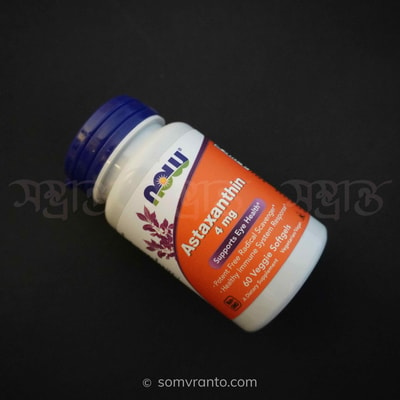
NOW Foods Astaxanthin 4 mg - Eye Health & Antioxidant Support
From: ৳2520
In Stock
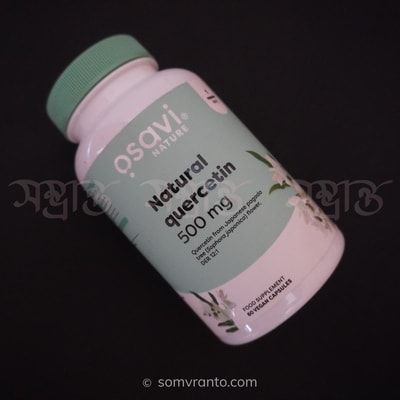
Osavi Natural Quercetin 500mg - Flavonoid Antioxidant & Immune Support
From: ৳2220
In Stock
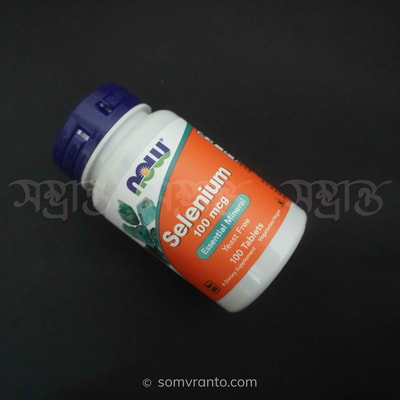
NOW Foods Selenium 100mcg Yeast-Free - Antioxidant Support
From: ৳1450
In Stock
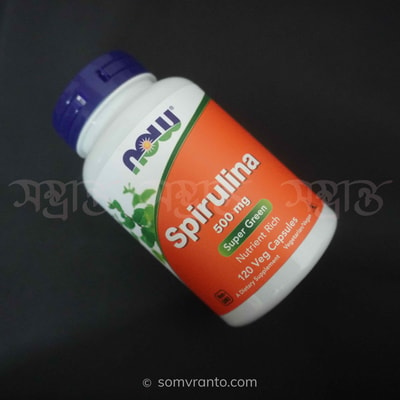
NOW Foods Organic Spirulina 3000mg - Nutrient-Dense Superfood Supplement
From: ৳2200
In Stock
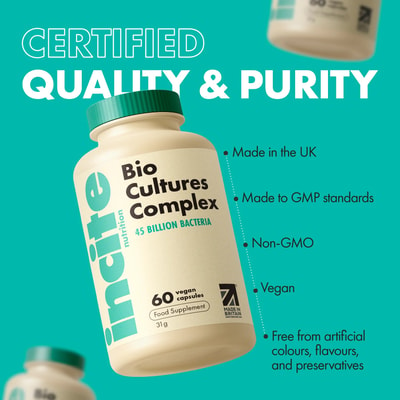
Incite Nutrition Bio Cultures Complex 45 Billion CFU - 15 Strains Probiotics with Prebiotics for Gut Health
From: ৳3390
In Stock
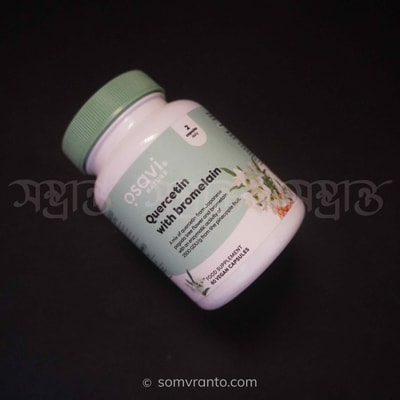
OSAVI Quercetin with Bromelain – FlaviPure® 500mg Natural Antioxidant for Daily Wellness
From: ৳1990
In Stock
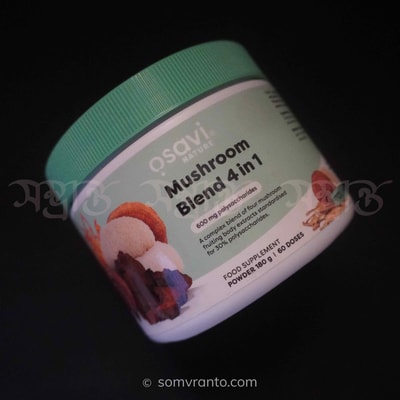
Mushroom Blend 4 in 1 – Premium Multi-Mushroom Extract Powder for Comprehensive Wellness
From: ৳3850
In Stock
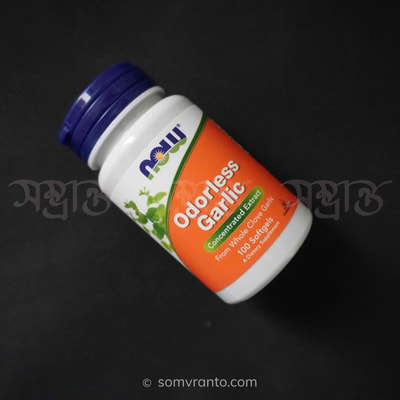
NOW Foods Odorless Garlic Extract 50mg - Heart & Immune Support
From: ৳1900
In Stock
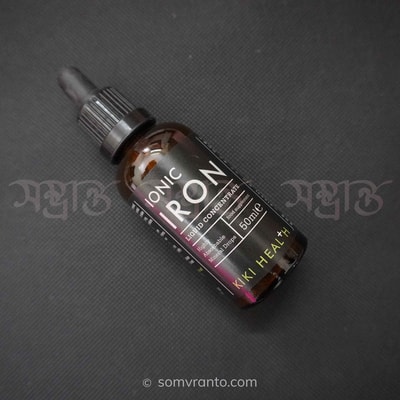
Kiki Health Ionic Iron Liquid Concentrate 50ml - 100% Natural Mineral Supplement for Energy & Immunity
From: ৳3310
In Stock
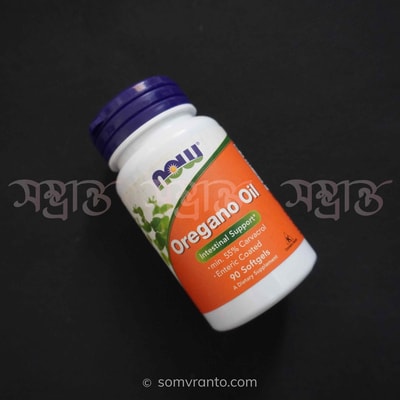
NOW Foods Oregano Oil 55% Carvacrol - Enteric Coated Digestive Support
From: ৳2570
In Stock
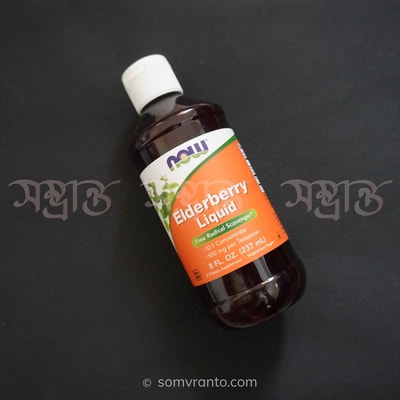
NOW Foods Elderberry Liquid Extract 10:1 - Immune Support & Antioxidant Concentrate
From: ৳2990
In Stock
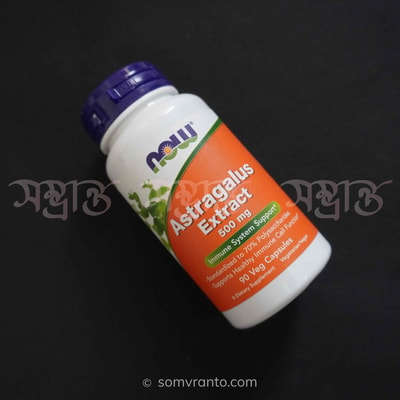
NOW Foods Astragalus 500mg - Immune Support & Adaptogenic Herb
From: ৳2160
In Stock
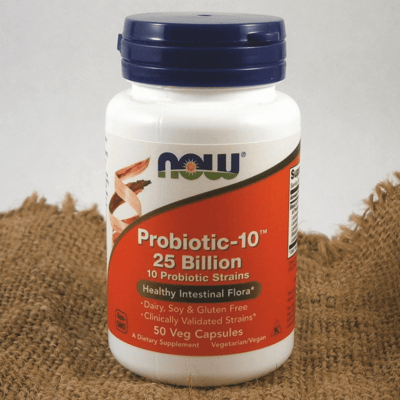
NOW Probiotic-10 25 Billion CFU - 10-Strain Gut & Immune Support
From: ৳2600
In Stock
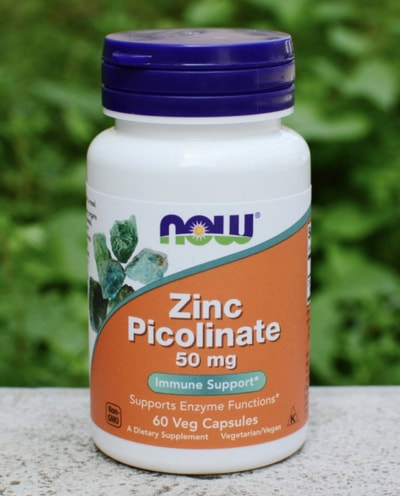
NOW Foods Zinc Picolinate 50mg - Essential Mineral Support for Immune Health & Enzyme Function
From: ৳1450
In Stock
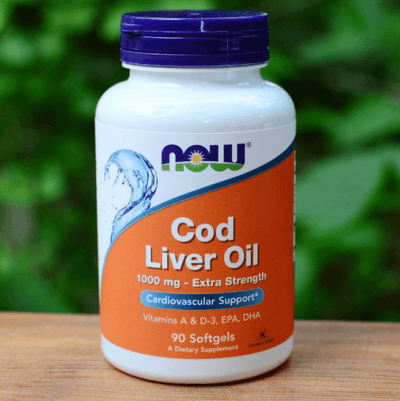
NOW Foods Cod Liver Oil Extra Strength 1000mg - Omega-3 with Vitamins A & D3 for Immune & Heart Support
From: ৳2190
In Stock
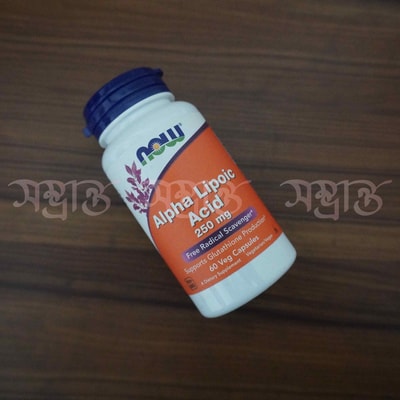
NOW Foods Alpha Lipoic Acid 250mg - Universal Antioxidant for Cellular Energy & Glutathione Support
From: ৳2640
In Stock
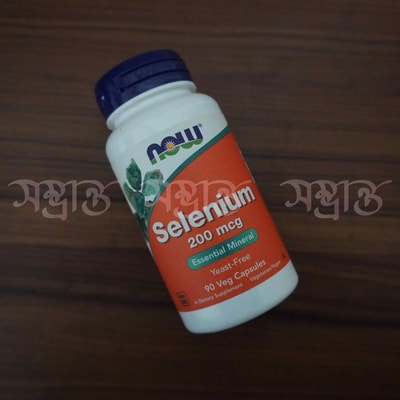
NOW Foods Selenium 200mcg - Essential Trace Mineral for Immune & Thyroid Health
From: ৳1620
In Stock
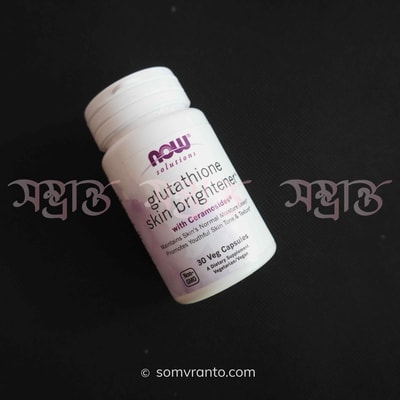
NOW Foods Glutathione Skin Brightener with Ceramosides - 30 Veg Capsules for Radiant & Youthful Skin
From: ৳3150
In Stock
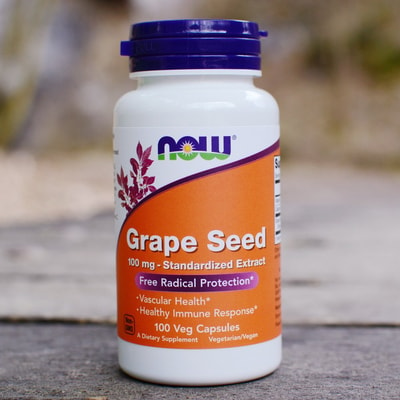
NOW Foods Grape Seed Extract 100mg - Vascular & Immune Support
From: ৳2370
In Stock
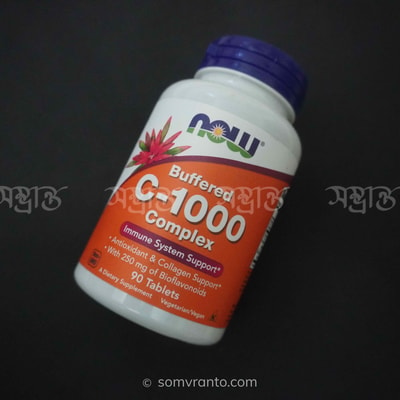
NOW Foods Buffered Vitamin C-1000 Complex with Bioflavonoids - Immune & Skin Support
From: ৳2790
In Stock
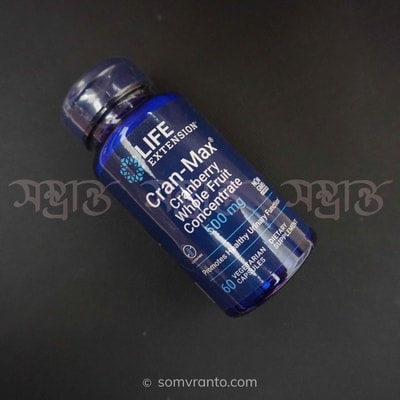
Life Extension Cran-Max Cranberry Extract 500mg - Urinary Tract Health Support for Women
From: ৳2690
In Stock
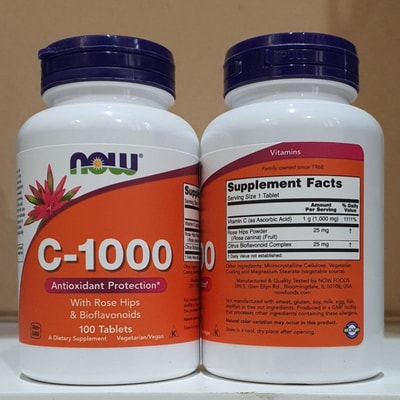
NOW Foods Vitamin C-1000 with Rose Hips & Bioflavonoids - 100 Tablets | Immune Support
From: ৳2260
In Stock
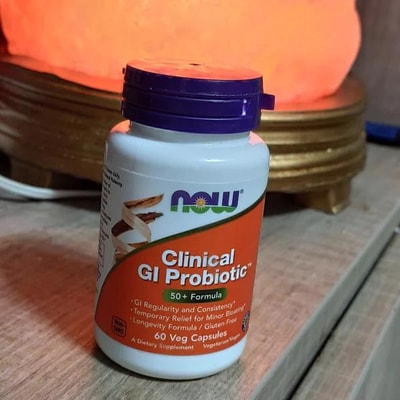
NOW Clinical GI Probiotic™
From: ৳2880
In Stock
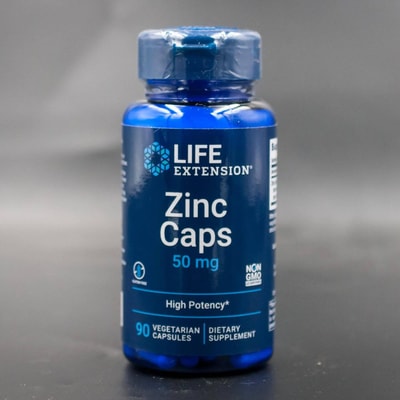
Life Extension Zinc 50mg with OptiZinc® - Premium Immune Support
From: ৳1940
In Stock

Liposomal Vitamin C 1000mg (Liposovit®-C) – Enhanced Absorption Formula for Immunity & Skin Health
From: ৳2330
Sold Out
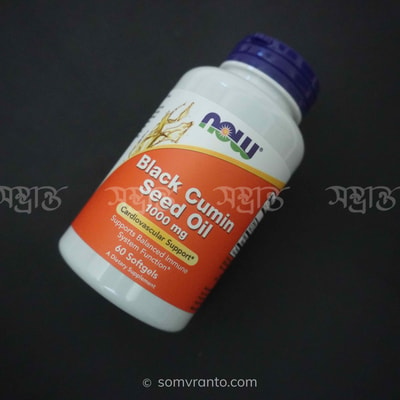
NOW Foods Black Cumin Seed Oil 1000mg - Organic Immune & Vascular Support
From: ৳2810
Sold Out
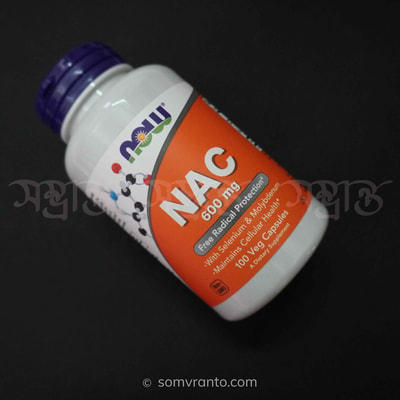
NOW Foods NAC 600mg with Selenium - Cellular Health & Antioxidant Support
From: ৳2580
Sold Out
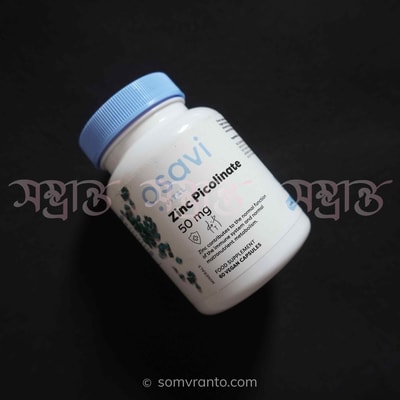
Osavi Zinc Picolinate 50 mg
From: ৳1550
Sold Out

NOW Foods Echinacea & Goldenseal Glycerite - Alcohol-Free Liquid Herbal Blend for Immune Support
From: ৳2610
Sold Out
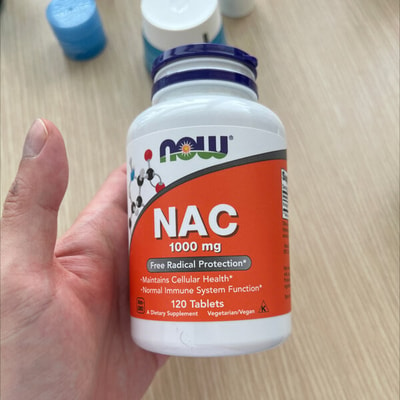
NOW Foods NAC (N-Acetyl Cysteine) 1000mg - Cellular Health & Antioxidant Support
From: ৳3980
Sold Out
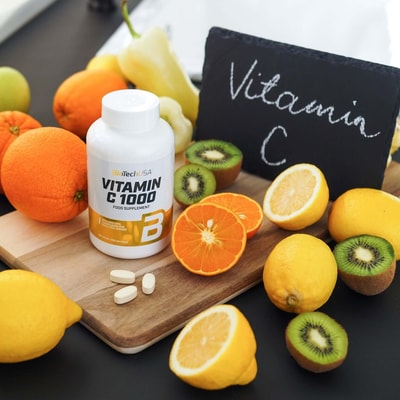
BioTechUSA Vitamin C 1000mg - Multi-Source Immune Support with Rosehip & Elderflower
From: ৳2140
Sold Out
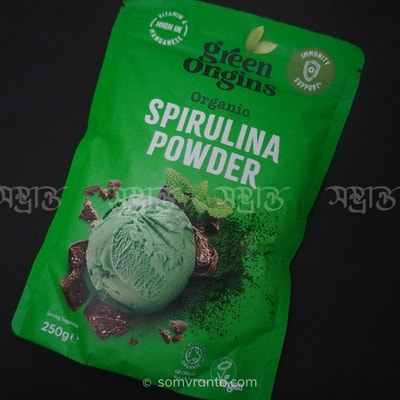
Organic Spirulina Powder 225 gm
From: ৳1520
Sold Out
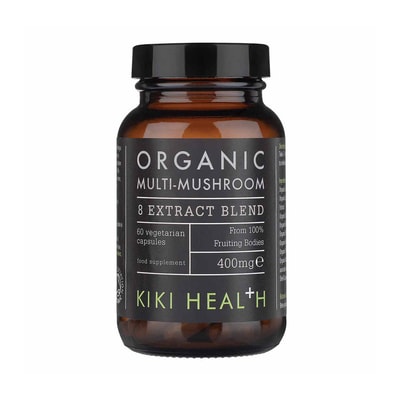
Kiki Health MULTI-MUSHROOM BLEND Organic
From: ৳0
Sold Out
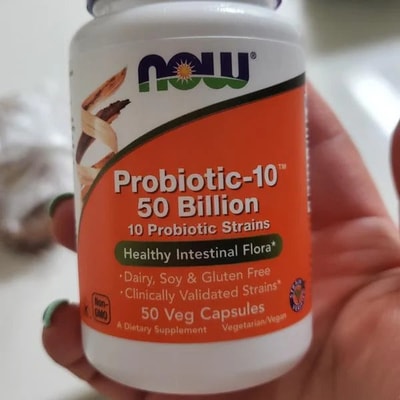
NOW Probiotic 50 Billion
From: ৳4570
Sold Out
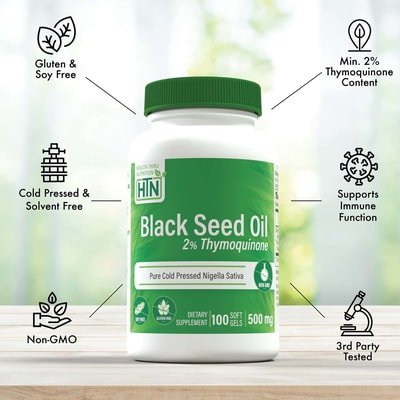
Health Thru Nutrition Black Seed Oil
From: ৳0
Sold Out
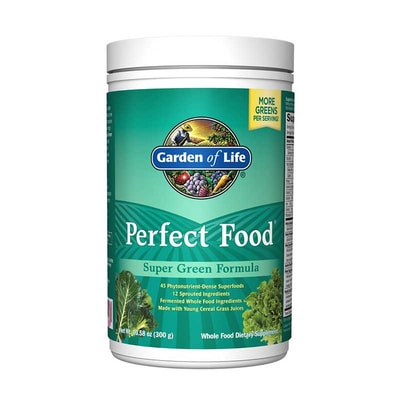
Garden of Life Whole Food Vegan Perfect Food SuperGreen Formula
From: ৳6450
Sold Out
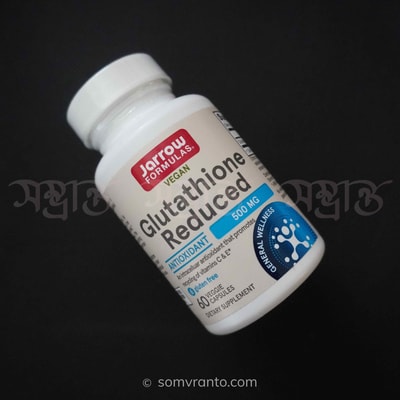
Jarrow Formulas Glutathione Reduced 500mg - Pharmaceutical Grade Antioxidant for Cellular Health
From: ৳4890
Sold Out
A strong immune system is your body's primary defence against infections, viruses, bacteria and environmental threats — and in Bangladesh, where monsoon rains, winter respiratory seasons and year-round urban air pollution keep immune health on every family's mind, dependable, science-backed support matters more than ever. At Somvranto, Bangladesh's trusted direct-import supplement store, we have assembled one of the country's widest selections of authentic immune support supplements — 37 products from the world's most reputable brands, including NOW Foods, Life Extension, Osavi, BioTechUSA, Jarrow Formulas, Garden of Life, Kiki Health and Incite Nutrition, with prices starting from ৳1,450. Every product is imported directly from authorised distribution networks, stored correctly and priced honestly, so you and your family can build resilience that lasts all year.
The collection spans the full spectrum of immune nutrition: traditional herbal extracts such as elderberry, echinacea and astragalus; front-line nutrients including vitamin C, zinc, selenium and iron; cellular antioxidants like NAC, glutathione, alpha lipoic acid, astaxanthin and quercetin; gut-focused probiotics; and whole-food concentrates built on medicinal mushrooms, spirulina and cod liver oil. Rather than a wall of bottles, think of it as a toolbox: each family of nutrients supports a different layer of your immune defences, and this page explains which tool fits which job, with honest guidance on when each one earns its place in a Bangladeshi household.
How Your Immune System Actually Works
Your immune system is not a single organ but a coordinated network. It begins with physical barriers — skin and the mucous membranes lining your nose, throat and gut — that keep most threats out. Behind them sit innate immune cells (neutrophils, macrophages, natural killer cells) that respond within minutes to anything unfamiliar, and adaptive immune cells (T-cells and B-cells) that take longer to mobilise but recognise specific threats and remember them — which is also how protection from past infections persists. When people say a supplement "supports immunity", they usually mean it supports one or more of these layers.
Different nutrients act at different points of that network. Vitamin C and zinc support innate immune cell function; selenium protects immune cells from oxidative damage; elderberry and echinacea are studied for immune cell communication and activity; probiotics support the gut-associated lymphoid tissue, where roughly 70% of your immune system resides; and cellular antioxidants like glutathione keep the whole apparatus running under stress. Sleep, balanced nutrition, movement and stress management still do the heavy lifting — supplements resource the machinery, they do not replace the fundamentals.
This layering also explains why consistency beats crisis dosing. Daily nutrition keeps every layer resourced, whereas starting a supplement only after you fall unwell supports the fastest-responding systems while leaving the slower layers under-resourced. Choose a routine you can sustain through the whole year, not a scramble every time someone in the household sneezes.
Why Bangladeshis Need Immune Support Year-Round
Bangladesh's immune challenges follow the calendar. Monsoon season brings waterborne infections and stagnant-water hygiene concerns; winter brings its annual wave of respiratory infections; and between the two, air pollution in Dhaka, Chittagong and other urban centres creates chronic immune stress that never fully lifts. That pollution matters biochemically: poor air quality increases the body's oxidative load, which is one reason antioxidant nutrients attract so much interest among city dwellers.
Diet is the other half of the story. The typical Bangladeshi plate is rice-centred — rich in carbohydrate, often lighter in the meat, eggs, dairy and nuts that supply readily absorbed zinc and iron, while the phytates in rice and pulses further limit mineral absorption. The deficiencies our team hears about most are zinc, iron and vitamin D, three nutrients directly involved in immune cell development and function. The products below target exactly these gaps; for vitamin D3, which many customers run alongside an immune protocol, browse our vitamins and multivitamins category.
Who Benefits Most from Immune Supplementation
Certain routines make immune support especially worthwhile. Office workers in shared, air-conditioned spaces pass around whatever is circulating, and long commutes through traffic add pollution exposure on top. Students living in hostels and messes face shared rooms, irregular meals and a rotating rice-dal menu that rarely supplies enough zinc or iron. Women of reproductive age are the group most prone to iron deficiency, which shows up as fatigue long before anything else.
Adults over 50 have additional reason to be deliberate: immune responsiveness naturally declines with age, and zinc and selenium are the two minerals most consistently associated with healthy immune ageing. Frequent travellers and parents of school-going children — constantly exposed to whatever the children bring home — round out the groups our support team hears from most. None of this replaces the basics of sleep, diet and hygiene; it stacks sensible nutrition on top of them.
Time-Tested Herbal Immune Supporters
Some of the world's most trusted immune herbs carry centuries of traditional use alongside a growing body of modern research. Rather than pushing immunity into overdrive, these botanicals are studied for their ability to modulate immune cell activity — supporting the body's natural defence mechanisms without overstimulation. That balance is what makes them suitable for regular seasonal use, and liquid formats make family dosing flexible.
Elderberry, Echinacea and Astragalus — The Classic Immune Herbs
Elderberry's deep purple juice is rich in anthocyanin flavonoids, and it is among the most-studied traditional herbs for seasonal immune challenges. Echinacea and goldenseal are two of North America's most trusted immune botanicals, traditionally used at the first sign of seasonal trouble. Astragalus has served as a foundational tonic in Traditional Chinese Medicine for more than 2,000 years, valued for immune resilience, steady energy and longevity.
- NOW Foods Elderberry Liquid Extract 10:1 (237 ml liquid) from ৳2,990 — a concentrated 10:1 extract in an alcohol-free liquid that allows flexible, spoon-based dosing.
- NOW Foods Echinacea & Goldenseal Glycerite (60 ml liquid) from ৳2,610 — two classic American immune herbs in a pleasant, alcohol-free glycerite (restocking).
- NOW Foods Astragalus 500mg (90 capsules) from ৳2,160 — the traditional Chinese tonic root for daily immune resilience.
Concentrated Botanical Oils: Oregano, Garlic and Black Cumin
Oil-based botanicals deliver concentrated plant compounds in softgel form. Oregano oil is standardised for carvacrol, its most-studied constituent; garlic owes its traditional reputation to allicin and related sulphur compounds; and black cumin (Nigella sativa) has been used across South Asia and the Middle East for centuries for immune and vascular support — a tradition Bangladeshi households already know as kalojeera.
- NOW Foods Oregano Oil 55% Carvacrol (90 softgels) from ৳2,570 — enteric-coated so the guaranteed carvacrol content passes stomach acid intact.
- NOW Foods Odorless Garlic Extract 50mg (100 softgels) from ৳1,900 — garlic's traditional immune and cardiovascular support with none of the next-morning breath.
- NOW Foods Black Cumin Seed Oil 1000mg (60 softgels) from ৳2,810 — organic black seed oil, the region's own immune botanical, in softgel form (restocking).
- Health Thru Nutrition Black Seed Oil (100 softgels) — a simple single-ingredient black seed oil option (restocking).
Vitamin C for Daily Immune Defence
Vitamin C is the most famous immune nutrient for good reason: it supports white blood cell function, helps maintain skin barrier integrity — your first physical defence — and provides antioxidant protection for cells under metabolic stress. Because it is water-soluble, the body does not store it, which makes daily replenishment the practical approach rather than occasional large doses.
Bioflavonoids deserve a mention here: these companion compounds from rose hips and citrus appear alongside vitamin C in nature and in the better formulas, where they are understood to support its activity. Bangladeshi kitchens do have vitamin C sources — guava, amla, the winter citrus crop, tomatoes — but prolonged boiling, the norm for many curries, destroys a large share of it, so a daily tablet is inexpensive insurance on top of a good diet.
- NOW Foods Vitamin C-1000 with Rose Hips & Bioflavonoids (100 tablets) from ৳2,260 — the classic 1000mg immune tablet, with rose hips adding synergistic flavonoids.
- NOW Foods Buffered Vitamin C-1000 Complex (90 tablets) from ৳2,790 — non-acidic, mineral-buffered vitamin C that is gentler on sensitive stomachs.
- BioTechUSA Vitamin C 1000mg (100 tablets) from ৳2,140 — a multi-source formula combining ascorbic acid with rosehip and elderflower (restocking).
- Liposomal Vitamin C 1000mg (Liposovit®-C) (60 capsules) from ৳2,330 — vitamin C encapsulated in liposomes for enhanced absorption and skin health support (restocking).
The Immune Minerals: Zinc, Selenium and Iron
Minerals are where the Bangladeshi diet most often falls short. Zinc is essential for immune cell development and function — even mild deficiency can affect immune readiness — and its richest food sources (meat, eggs, shellfish) reach many plates inconsistently. Selenium is a trace mineral that supports both immune and thyroid health, partnering with iodine in converting thyroid hormone to its active form and setting your metabolic baseline. Iron supports healthy blood and energy, and deficiency — common among Bangladeshi women — quietly drains overall resilience.
Form matters with minerals, which is why our range sticks to studied forms: zinc picolinate for absorption, OptiZinc® zinc-methionine for stability, yeast-free selenium for those avoiding yeast. Two honest notes from our team: iron supplementation is best confirmed by a blood test first, since excess iron is not beneficial; and the tannins in tea — drunk with or straight after meals across the country — sharply reduce iron absorption, so separate your tea and your iron dose by a couple of hours.
- NOW Foods Zinc Picolinate 50mg (60 capsules) from ৳1,450 — the highly absorbable picolinate form at the collection's most accessible price.
- Osavi Zinc Picolinate 50 mg (60 capsules) from ৳1,550 — the European alternative in the same well-absorbed form (restocking).
- Life Extension Zinc 50mg with OptiZinc® (90 capsules) from ৳1,940 — zinc bound to methionine as the patented OptiZinc® complex.
- NOW Foods Selenium 100mcg Yeast-Free (100 tablets) from ৳1,450 — a gentle 100mcg dose for baseline antioxidant support.
- NOW Foods Selenium 200mcg (90 capsules) from ৳1,620 — the full 200mcg daily dose for immune and thyroid support.
- Kiki Health Ionic Iron Liquid Concentrate (50 ml liquid) from ৳3,310 — liquid iron in drop form for energy and immunity, for people who prefer not to swallow tablets.
Cellular Antioxidants: NAC, Glutathione and the Antioxidant Network
Immune cells generate reactive molecules as they work, and they depend on an internal antioxidant network to keep that chemistry in balance — a network that matters even more when air pollution raises your daily oxidative load. The network recycles itself: glutathione, often called the body's master antioxidant, sits at its centre; NAC (N-Acetyl Cysteine) is its best-known precursor; alpha lipoic acid is unusual in working in both water and fat environments, regenerating other antioxidants as it goes; and plant pigments such as astaxanthin and grape seed OPCs add further layers. This is immune support at the cellular level.
NAC and Glutathione
- NOW Foods NAC 600mg with Selenium (100 capsules) from ৳2,580 — the classic NAC dose paired with immune-supporting selenium (restocking).
- NOW Foods NAC 1000mg (120 tablets) from ৳3,980 — double-strength NAC for higher-dose antioxidant protocols (restocking).
- Jarrow Formulas Glutathione Reduced 500mg (60 capsules) from ৳4,890 — pharmaceutical-grade reduced glutathione for direct cellular antioxidant support (restocking).
- NOW Foods Glutathione Skin Brightener with Ceramosides (30 capsules) from ৳3,150 — glutathione in a skin-focused formula with ceramides for a brighter complexion.
Plant Antioxidants: Alpha Lipoic Acid, Astaxanthin and Grape Seed
- NOW Foods Alpha Lipoic Acid 250mg (60 capsules) from ৳2,640 — the "universal antioxidant" that also supports the body's own glutathione production.
- NOW Foods Astaxanthin 4mg (60 softgels) from ৳2,520 — a deeply pigmented carotenoid antioxidant from microalgae, also valued for eye health.
- NOW Foods Grape Seed Extract 100mg (100 capsules) from ৳2,370 — concentrated OPCs for vascular and immune support.
Quercetin — The Flavonoid Customers Ask About Most
Quercetin is a plant flavonoid found naturally in onions, apples and berries — present in everyday Bangladeshi cooking through the onion base of most curries, though in far smaller amounts than supplement doses provide. It is frequently formulated with bromelain, a pineapple enzyme, a pairing designed to support absorption. Two Osavi options cover both approaches:
- OSAVI Quercetin with Bromelain – FlaviPure® 500mg (60 capsules) from ৳1,990 — quercetin and bromelain together, using the branded FlaviPure® ingredient.
- Osavi Natural Quercetin 500mg (60 vegan capsules) from ৳2,220 — clean-label standalone quercetin in vegan capsules.
Probiotics: The Gut-Immune Connection
Roughly 70% of your immune system is associated with your gut, which is why no immune collection is complete without probiotics. Beneficial bacteria support the gut barrier and the immune tissue that lines it. Bangladeshi kitchens already understand fermentation — yogurt-based borhani, traditional fermented rice — but modern urban diets have drifted from daily fermented foods, and a capsule makes the habit effortless.
Reading a probiotic label comes down to two numbers: the CFU count (total live organisms per dose) and the number of strains. Higher is not automatically better — daily maintenance and intensive support are different jobs — and prebiotic fibre, included in some formulas, feeds the organisms after they arrive.
- NOW Probiotic-10 25 Billion CFU (50 capsules) from ৳2,600 — ten complementary strains at a daily-maintenance potency.
- Incite Nutrition Bio Cultures Complex 45 Billion CFU (60 capsules) from ৳3,390 — fifteen strains with prebiotics included in the same capsule.
- NOW Clinical GI Probiotic™ from ৳2,880 — a targeted blend for those with specific digestive sensitivities.
- NOW Probiotic 50 Billion from ৳4,570 — high-potency support for periods of heightened need (restocking).
For enzymes, fibres and the complete gut range, explore our digestive health category.
Medicinal Mushrooms and Green Superfoods
Functional mushrooms and green superfoods approach immunity through whole-food nutrition — dense packages of complementary nutrients rather than single isolated compounds. Tonic mushrooms have anchored East and South Asian herbal traditions for centuries, and modern interest has made them one of our fastest-moving families. Spirulina is a blue-green algae whose deep colour comes from phycocyanin, a pigment with antioxidant activity, alongside a broad amino acid profile. Powders mix into smoothies, juice or plain water; capsules trade flexibility for convenience.
- Mushroom Blend 4 in 1 – Premium Multi-Mushroom Extract Powder (180 grams powder) from ৳3,850 — four functional mushroom extracts in one mixable powder.
- Kiki Health MULTI-MUSHROOM BLEND Organic — an organic multi-mushroom formula from the London superfood brand (restocking).
- NOW Foods Organic Spirulina 3000mg (120 capsules) from ৳2,200 — organic, nutrient-dense spirulina in convenient capsule form.
- Organic Spirulina Powder (225 grams) from ৳1,520 — pure spirulina powder for smoothies, juice and water (restocking).
- Garden of Life Whole Food Vegan Perfect Food SuperGreen Formula from ৳6,450 — a whole-food vegan greens formula, the most complete green-food option in this collection (restocking).
Find more greens and whole-food nutrition in our superfoods and organic foods category.
Whole-Food Classics: Cod Liver Oil and Cranberry
Before isolated vitamins existed, families relied on whole-food tonics, and two of them remain among the most sensible immune purchases today. Cod liver oil naturally combines omega-3 fatty acids with vitamins A and D3 — the latter being the nutrient many Bangladeshis lack despite abundant sunshine. Cranberry, meanwhile, is the most-studied botanical for urinary tract comfort, an issue that disproportionately affects women and often intersects with immune concerns.
- NOW Foods Cod Liver Oil Extra Strength 1000mg (90 softgels) from ৳2,190 — naturally provides omega-3s with vitamins A and D3 in one economical softgel.
- Life Extension Cran-Max Cranberry Extract 500mg (60 capsules) from ৳2,690 — concentrated whole-cranberry extract for urinary tract health support.
A Seasonal Playbook for Bangladesh
Monsoon, roughly June to October, is gut season: waterborne risks peak and family routines revolve around avoiding stale water and street food. This is when gut-immune support earns its keep — a daily probiotic as the base, with oregano oil and black cumin as traditional favourites. Supplements stack on top of hygiene and clean water; they never substitute for either.
Winter, November to February, is respiratory season, made heavier in Dhaka by the city's annual dip in air quality. Elderberry liquid, daily vitamin C with zinc, and the antioxidant family — NAC, quercetin, glutathione — move fastest from our shelves during these months. The customers who feel the difference start two to four weeks before the season turns, not at the first sneeze.
Between seasons, a simple base covers most needs: selenium, a maintenance probiotic and vitamin C, with targeted products added when your circumstances — exams, travel, a busy office — call for them.
Two more rhythms are worth planning around. First, the holy month of Ramadan: with meals compressed into the evening, water-soluble vitamin C splits neatly between iftar and suhoor, oil-based softgels sit best with the iftar meal when fat helps absorption, and careful hydration habits do double duty. Second, travel — long bus routes, airport crowds, monsoon flooding — adds infection pressure exactly when routines break down; liquid extracts and drops travel lighter than bulky tubs, and what you pack is consistency, not promises. Whatever shifts with your calendar, hold the daily base steady and rotate only the targeted extras. And before resuming a bottle that sat half-forgotten through the winter, check the batch BBE date shown on its product page — heat and humidity quietly drain potency from old stock.
How to Take Immune Supplements
A few practical habits make any product below work better. Take water-soluble nutrients like vitamin C with meals, splitting larger doses morning and evening if you prefer. Take oil-based softgels — oregano oil, black cumin, cod liver oil, astaxanthin — with a meal that contains some fat, since they absorb poorly on an empty stomach. Liquid extracts can be taken directly or mixed into water or juice. Give any new supplement two to four weeks of consistent daily use before judging it, and add one product at a time so you know what is doing what. Never exceed label doses, and if you are pregnant, nursing, managing a medical condition or taking prescription medicines, review your choices with your doctor first — our team can help you shortlist, but your physician has the final word.
Storage matters in this climate: keep bottles tightly closed in a cool, dry place away from direct sunlight. In Bangladesh's humidity, a bedroom shelf is a better home than the kitchen windowsill or the bathroom cabinet.
What to Look for When Buying Immune Supplements
Immune products vary enormously in quality, and label literacy protects you. Look for standardised extracts — elderberry standardised 10:1, oregano oil guaranteed at 55% carvacrol, zinc in studied forms like picolinate or OptiZinc® — because standardisation means the potency on the label is the potency in the bottle. Check the form: enteric coating protects oregano oil from stomach acid, buffered vitamin C protects sensitive stomachs, and alcohol-free glycerites suit those avoiding alcohol-based tinctures. And insist on freshness transparency: heat and humidity degrade potency, so a seller who displays the exact batch BBE date — as every Somvranto product page does — is a seller with nothing to hide.
Choosing a Form You Will Actually Take
The best supplement is the one taken consistently, so format matters more than people expect:
| Form | Typical products | Who it suits |
|---|---|---|
| Liquids | Elderberry Liquid, Echinacea & Goldenseal Glycerite, Ionic Iron | Flexible dosing; people who dislike pills |
| Softgels | Oregano Oil, Black Cumin Seed Oil, Cod Liver Oil, Astaxanthin | Oil-based nutrients; easy swallowing |
| Capsules | Zinc Picolinate, Astragalus, Quercetin, Probiotics | Everyday supplementation; vegan options available |
| Tablets | Vitamin C-1000, Selenium, NAC | The most economical formats |
| Powders | Mushroom Blend 4 in 1, Spirulina Powder | Mixing into drinks; custom dosing |
How to Choose the Right Immune Supplement for Your Goal
With 37 products in one place, a shortcut map helps. Here is how our team matches products to the goals customers actually describe:
- "I catch every cold that goes around the office." A daily base of Vitamin C-1000 with Rose Hips plus Zinc Picolinate 50mg, with Elderberry Liquid Extract added through monsoon and winter.
- "I want one simple daily routine." Selenium 200mcg with Probiotic-10 25 Billion covers antioxidant and gut-immune foundations in two servings.
- "Seasonal troubles always start in my gut." Start with Incite Nutrition Bio Cultures Complex 45 Billion CFU, which pairs strains with prebiotic fibre.
- "I'm tired all the time and my diet is rice-heavy." Ask your doctor to check your iron, then consider Kiki Health Ionic Iron or whole-food Organic Spirulina for everyday nutrition.
- "I want deep antioxidant support against city pollution." NAC 600mg with Selenium or Jarrow Glutathione Reduced 500mg, optionally with Alpha Lipoic Acid 250mg.
- "I prefer traditional herbal and whole-food options." Astragalus 500mg, Odorless Garlic or Cod Liver Oil Extra Strength.
- "I'm curious about quercetin." OSAVI Quercetin with Bromelain for the classic pairing, or Osavi Natural Quercetin 500mg as a standalone.
- "I'm buying for the whole family." Elderberry Liquid allows flexible dosing; for children's formats and doses, see our kids and children's range.
Immune Support Supplement Price in Bangladesh
Genuine immune support supplements at Somvranto range from ৳1,450 to ৳6,450, with the majority of the collection priced between ৳1,900 and ৳3,390. As a guide: zinc and selenium start at ৳1,450–৳1,940; classic vitamin C tablets run ৳2,140–৳2,790; herbal extracts and oils cluster between ৳1,900 and ৳2,990; probiotics span ৳2,600–৳4,570; premium cellular antioxidants like NAC and glutathione reach ৳2,580–৳4,890; and whole-food concentrates top the range, with the Garden of Life SuperGreen formula at ৳6,450.
What drives the differences? Potency (a 50-billion-CFU probiotic simply costs more to produce than a 25-billion one), standardisation (10:1 extracts and guaranteed carvacrol percentages require more raw material), form (liquids, powders and liposomal capsules carry higher manufacturing costs), brand positioning and pack size. Prices update with each imported batch, and every product page shows today's live price for the batch in stock. If a product you want is sold out, it restocks regularly — the restock price appears on the product page the moment the new batch lands.
Why Buy Immune Supplements from Somvranto
Somvranto has been a direct importer since 2014, sourcing from the authorised distribution networks of NOW Foods, Life Extension, Osavi, Jarrow Formulas, Garden of Life and the other brands on this page — no middlemen, no repackaged or gray-market stock, and importer documentation we are happy to show. For immune products specifically, freshness is potency: herbal and antioxidant compounds degrade in heat and humidity, so we store in temperature-controlled conditions and print the exact BBE date of the batch you will receive on every product page.
Every order ships nationwide: next-day delivery in most Dhaka areas, 1–2 days to Chittagong and around 2 days to other districts, with cash on delivery available. Unsure which products suit your age, health status and immune concerns? Our knowledgeable team will help you choose — message us on WhatsApp at 01787555666. Shop the complete collection above and protect your family's health with authentic supplements, honest prices and reliable delivery across Bangladesh.
Frequently Asked Questions
What is the price of immune support supplements in Bangladesh? +
Which immune supplements are best for daily use? +
How do I know Somvranto immune supplements are authentic? +
Can I take vitamin C and zinc together? +
How should I store immune supplements in Bangladesh's humid climate? +
Do you deliver immune supplements outside Dhaka? +
Are probiotics actually helpful for immunity? +
Is elderberry safe for children? +
Are these immune supplements halal? +
What if the immune supplement I want is sold out? +
When is the best time of day to take immune supplements? +
Can I take immune supplements all year or only in winter? +
Our weekly Newsletter.
Subscribe for a "Reason" in Your Inbox
Corporate: 7th Floor, 27 Shaptak Square, Dhanmondi 16, Dhaka
👉 It's corporate office, NOT Showroom. Visitor Appointment is Must
Email: order@somvranto.com | WhatsApp: 01787555666
Download Our App


SOMVRANTO
Quick Links
Wellness
Sports Nutrition