

Supplement Guide
Spirulina in Bangladesh: Benefits, Dosage & How to Buy
Everything about spirulina in Bangladesh: research-backed benefits, safe daily dosage, quality standards and where to buy authentic imported spirulina.
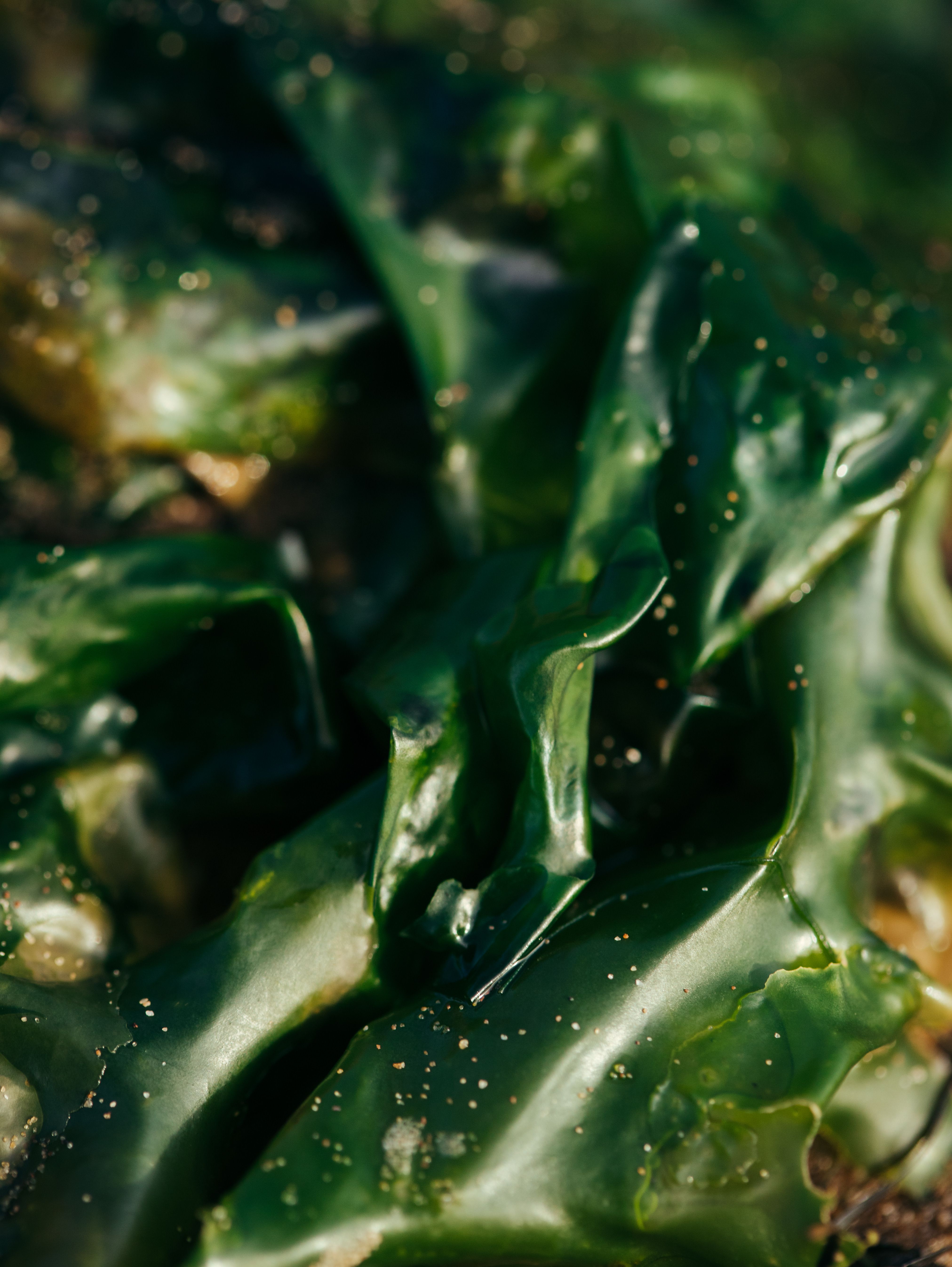
Spirulina in Bangladesh has moved from a niche health-store oddity to one of the most searched supplements in the country — and for good reason. This blue-green algae is one of the most nutrient-dense foods ever studied, packing protein, iron, B vitamins, and a rare antioxidant called phycocyanin into a tiny green tablet. But with rising demand comes a wave of low-quality pond-sourced powders and repackaged mystery products. This guide covers what spirulina actually does, how much to take, and — most importantly for Bangladeshi buyers — how to tell authentic, tested spirulina from cheap imitations.
What Is Spirulina, Actually?
Spirulina (Arthrospira platensis) is a filamentous cyanobacterium — commonly called blue-green algae — that grows naturally in alkaline lakes and is cultivated worldwide in controlled pond systems. Dried spirulina is roughly 60–70% protein by weight and contains meaningful amounts of iron, beta-carotene, B vitamins, gamma-linolenic acid, and phycocyanin, the pigment that gives it the signature blue-green color.
The United Nations World Food Conference once called spirulina "the best food for the future" — a reputation built on its exceptional nutrient density rather than any single dramatic effect.
Research-Backed Benefits
Be cautious with marketing claims, but several areas have genuine research behind them:
- Nutritional support: For people with low vegetable intake or poor-quality diets, spirulina offers concentrated micronutrients. Its iron is naturally chelated, which may improve absorption.
- Antioxidant activity: Phycocyanin has been studied for its ability to scavenge free radicals and may support the body's natural antioxidant defenses.
- May support healthy lipid profiles: Several small human trials suggest spirulina may help maintain cholesterol levels already in the normal range.
- May support immune function: Preliminary research points to modulation of immune markers, though more large-scale trials are needed.
Note the language: may support. Spirulina is a food supplement, not a medicine, and anyone promising dramatic cures is selling you something other than science.
How to Take Spirulina
Research doses typically fall between 3 and 5 grams per day:
- Capsules/tablets: The most convenient form — check the label, since potencies vary (500 mg to 3,000 mg per capsule). NOW Foods Spirulina capsules are a popular, third-party-tested option available in Bangladesh through direct import.
- Powder: Cost-effective but polarizing — the taste is intensely marine. Blend into smoothies, mix into juice, or stir into yogurt to mask the flavor.
- Timing: Any time of day works. Some people find it energizing and prefer mornings; taking it with a vitamin C source (lemon water, citrus) may enhance iron absorption.
- Stacking: Spirulina pairs well with a general multivitamin; avoid mega-dosing single nutrients without a reason.
Start with 1–2 grams daily for the first week. Mild digestive adjustment is normal; if you experience anything beyond that, stop and consult a physician.
The Quality Problem in Bangladesh
Here is what most buyers don't know: spirulina quality varies more than almost any other supplement category because it's a whole organism harvested from water. Cheap spirulina from unregulated sources can carry:
- Heavy metals — lead, mercury, and arsenic accumulate in algae grown in contaminated water.
- Microcystins — toxins produced by other cyanobacteria species that contaminate poorly managed ponds.
- Adulteration — some "spirulina" powders are cut with cheaper green fillers like wheatgrass or alfalfa.
A trustworthy supplier should be able to tell you where the spirulina was grown, what third-party testing it carries, and provide original manufacturer packaging and documentation. Somvranto imports spirulina directly from manufacturers in the USA and Europe — every batch arrives in its original sealed packaging with full supply-chain traceability, and every product is screened for Halal compliance before listing, including capsule shells.
A practical authenticity checklist
Use this before buying spirulina from any seller in Bangladesh:
- Color and smell: Real spirulina is a deep blue-green (not pale or olive) and smells distinctly of the sea — a neutral or grassy smell suggests filler.
- Packaging: Original manufacturer sealed containers with batch numbers and expiry dates. Loose powder in zip-lock bags is a red flag.
- Documentation: Ask about the import route. Gray-market products re-entered through unofficial channels lose cold-chain and authenticity guarantees.
- Testing: Reputable brands publish or provide heavy-metal and microcystin test results on request.
- Price reality: Genuine imported spirulina has a floor price. If a deal looks impossibly cheap, the product inside is usually not spirulina.
Tablets, capsules, or powder?
Powder is cheapest per gram but the taste defeats most beginners. Capsules are the practical middle ground — precise dosing, no flavor, easy to carry. Tablets sit between the two but check binders if you have sensitivities. Whatever form you choose, the quality rules above apply far more than the format.
Who Should Be Careful
Spirulina is food-grade safe for most people, but consult a physician before use if you are pregnant or nursing, have an autoimmune condition (spirulina may stimulate immune activity), have phenylketonuria, or take blood thinners. People with seafood or algae allergies should start with small amounts.
Summary
For spirulina buyers in Bangladesh, the product's benefits are real but modest, the dosing is simple (3–5 g daily), and the decision that matters most is who you buy it from. Choose direct-imported, third-party tested, Halal-screened spirulina in original manufacturer packaging — quality is the difference between the researched benefits and a gamble on pond powder.
If you're ready to try spirulina, NOW Foods Spirulina capsules are in stock at Somvranto — 100% authentic, directly imported, and Halal-screened.
Buy this supplement at Somvranto
100% authentic, directly imported, Halal-screened.
Frequently asked questions
Is spirulina halal? +
Yes. Spirulina is a plant-based blue-green algae, so the algae itself is always halal. The capsule shell is the thing to check: some gelatin capsules are bovine-derived and need verified halal slaughter. Somvranto screens every product, including capsule shells, for Halal and Shariah compliance before listing.
How much spirulina should I take daily? +
Most clinical research uses 3–5 grams per day of spirulina powder, or the label-equivalent in capsules or tablets. Start with a smaller dose (1–2 grams) for the first week to let your digestion adjust, then increase. Always follow the manufacturer's label.
Does spirulina have side effects? +
Spirulina is generally well tolerated. Some people experience mild nausea, bloating or headaches when starting. Quality matters most: contaminated spirulina from unregulated pond sources can contain heavy metals or microcystins. Choose third-party tested, direct-imported products and consult a physician if pregnant, nursing or managing a condition.
How do I know spirulina is authentic in Bangladesh? +
Authentic spirulina has a deep blue-green color, a distinct seaweed-like smell, and arrives in sealed original manufacturer packaging. Ask the seller for import documentation and third-party heavy-metal testing. Somvranto imports directly from manufacturers in the USA and Europe with full supply-chain traceability.
Can spirulina help with anemia? +
Spirulina contains iron and research suggests it may support healthy hemoglobin levels, but it is not a treatment for anemia. If you suspect anemia, get diagnosed first and follow your doctor's plan — supplementation should complement, not replace, medical care.
Important note
This article is for educational purposes only and is not medical advice. Supplements are not a substitute for a balanced diet. Consult a qualified physician before starting any supplement, especially if you are pregnant, nursing, taking medication, or managing a medical condition.